




Description
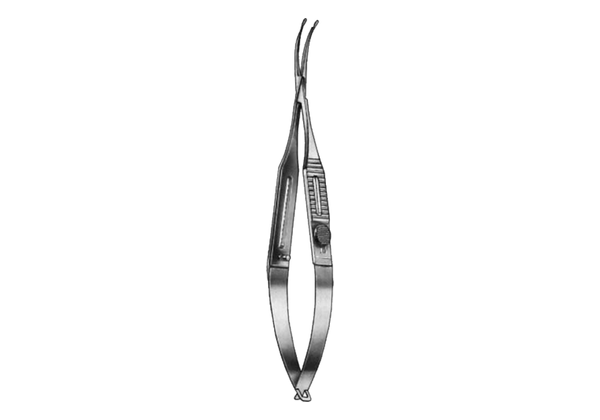
Shepard Forceps
The Shepard forceps insert and position intraocular lenses. Their fine tips pass through small incisions.
Size of the Shepard forceps
They measure 8 cm. That gives fine control. Meanwhile, the slim tips fit small openings.
Why surgeons use them
Lens insertion needs a steady, gentle grip. These forceps provide it. Consequently, the lens enters smoothly.
Typical use
Cataract surgeons use them during lens placement. In addition, they help reposition a lens. They also suit teaching.
Technique
Hold the lens edge lightly. Then pass it through the incision. Also, rotate it gently into position.
Pairing
Clayman forceps and lens hooks work alongside them. Together they handle most lens steps. Many trays carry both.
Inspection
Check the tips under magnification before every list. Then close them slowly and confirm they meet along their whole length. Any gap or burr can mark the optic, so a damaged pair should go for repair.
Shepard forceps and small incisions
Modern cataract incisions are only a few millimetres wide. Therefore, the slim tips of the Shepard pattern matter, since they pass through without stretching the wound edges.
Shepard forceps details
- 8 cm overall
- Fine lens tips
- Reusable steel
After surgery
Rinse in sterile water. Dry gently. Then protect the tips with a guard.
Cover in brief
These lens forceps come with three years against manufacturing defects. Tips meet as promised. Any forceps passes a visual check at our Atlanta base prior to packing. For payment questions, use our customer FAQ. Other designs live in the general surgery range. For the basics of stainless alloys for surgery, go to ASTM F899. For a companion tool, look at the Clayman forceps. We can check stock for larger orders.
Only for qualified users. Courier details live on our shipping terms. These pictures can vary a little, and the metal contains nickel; see the cleaning and care notes to learn more.
Reviews
There are no reviews yet.