




Description
Sato Knife Cannula
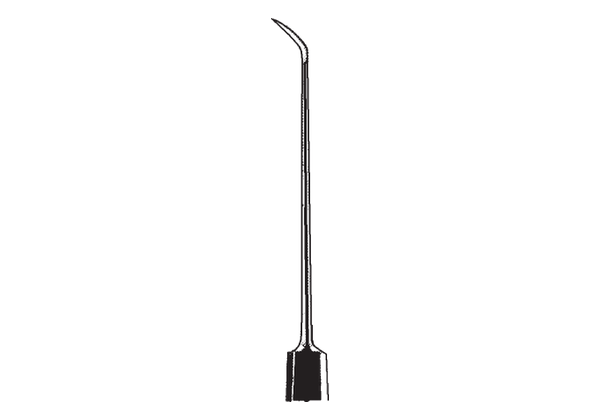
The Sato knife cannula carries a tiny cutting edge on an irrigating shaft, so you can cut while fluid keeps the chamber formed. Because tip details vary between makers, we describe it conservatively here. Even so, the core idea is simple: one tool, one pass, two jobs.
What we can say
Knife cannulas bring a cutting edge and fluid flow into one tool. The Sato pattern follows this idea. Surgeons often use such tools for capsule openings or small cuts inside the eye. However, check the product images, or ask us, for the exact tip shape.
Pattern summary
There is one pattern, with no options. Features:
- Small cutting tip
- Irrigating shaft
- Syringe or line hub
- Stainless construction
Using a knife cannula
Prime the line before you enter. Then keep the edge turned away from the wound as you pass it. Make short, deliberate strokes. Also, brace your hand on the brow to steady the tip.
Comparing similar items
We list several knife cannulas, including Kratz-Ziegler and Spizziri patterns. Each has its own tip form. So if you already use a Sato knife, this is the natural reorder. If not, compare the images before you choose.
Keeping the Sato edge keen
Guard the edge from contact with forceps or trays. When the case ends, run distilled water through the shaft until it flows clear. Next, soak the cannula briefly in a neutral cleaner and rinse once more. Lay it in a silicone mat for drying. Since it ships unsterilized, add an autoclave cycle before every list.
Sato cannula order notes
Sato units carry protection of three years against manufacturing defects; a dulled edge after long service is simply wear. We specify alloy that meets ASTM F899. View knives and cannulas for eye surgery. For a related tool, see the Spizziri knife cannula. Our FAQ explains orders.
Professional use only. See care advice and our delivery page.


Reviews
There are no reviews yet.