




Description
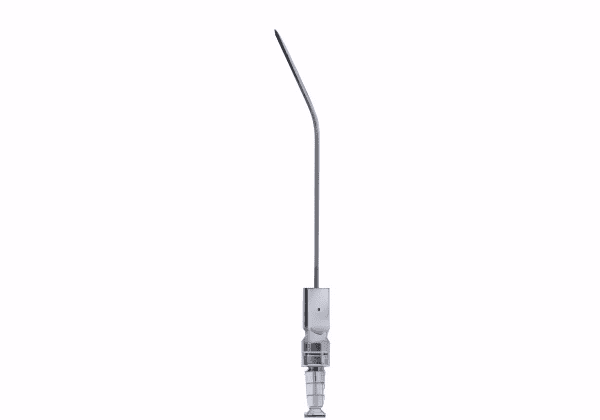
Plester Suction Tube
The Plester suction tube clears fluid in very small spaces. Its slim shaft suits work under the microscope.
Four fine bores
Choose 1.5, 2, 2.5 or 3 mm. The finest size fits the middle ear. Meanwhile, 3 mm handles more fluid in the outer canal or nose.
Why surgeons pick the Plester suction tube
The shaft is thin, so it does not block the view. Also, the handle angle keeps the hand clear of the microscope path. In short, it gives control in cramped fields.
Typical use
Otologists use it in tympanoplasty and mastoid work. It also suits fine plastic and neurosurgical cases. Besides, many surgeons keep two sizes on the tray.
Practical tips
Use the lowest suction that clears the field. Then move the tip in short strokes. Afterwards, flush the tube between steps if blood begins to clot.
Plester suction tube diameters
- 1.5, 2, 2.5 and 3 mm
- Slim shaft for microsurgery
- Standard tubing connector
Lumen care
Flush the lumen with water straight after use. Pass a fine cleaning wire through it. Dry with air, then store the tubes flat.
Buying this suction tube
Your standing warranty covering each suction tube lasts three years against manufacturing defects on each piece. An Atlanta colleague studies each suction tube in detail before sealing the box. The common questions page goes over returns and delivery. Want a custom quantity? Contact us any time. Medical stainless steel sits under one standard: ASTM F899. A backup suction tube in the sterile store keeps lists moving. For a similar job, browse our Fergusson pattern. Search our main general surgery lineup for related tools.
For hospital and clinic use. Listing photos are for reference, and the steel includes some nickel; see our cleaning guide for advice. Lead times appear on our delivery terms.

Reviews
There are no reviews yet.