
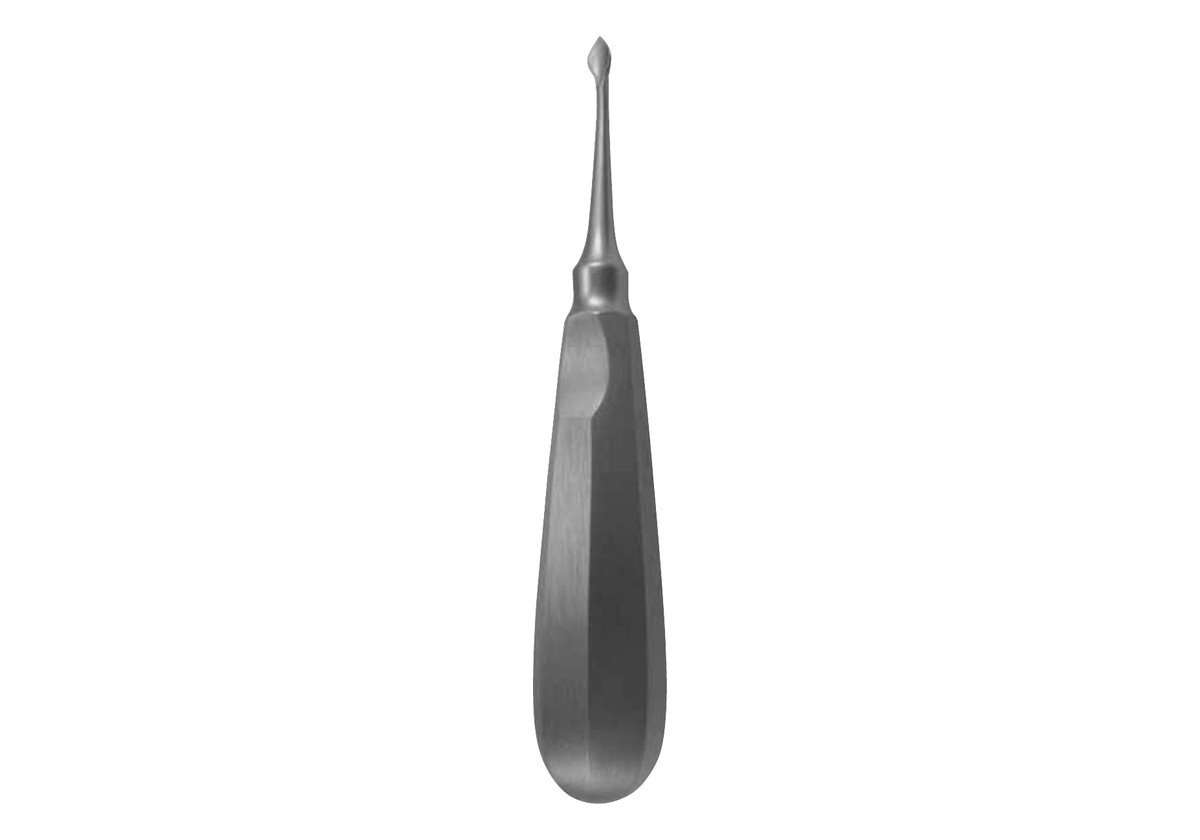




Description
Numbered Root Elevators
Numbered root elevators skip the eponyms and use a plain scale. The grades run from #1, the finest, upward to #5. There is also #4L, a left form of #4. If you prefer simple labels over names, this family keeps things clear.
Reading the number scale
The six options are #1, #2, #3, #4, #4L and #5. A low number means a finer figure, and a higher number means a broader one. That logic helps new staff set up a tray without a chart. It also makes reorders quick, because the number says it all.
The #4 and #4L pair
Because #4L is a left form, it mirrors #4 for the opposite side. With both on the tray, you can work on both sides of the mouth while your wrist stays relaxed. In practice, many users order the two together.
A starter tray from the scale
- #1 or #2 for slim roots and small pieces.
- #3 as a middle grade for general work.
- #4 with #4L for handed access.
- #5 when a root is larger and firm.
Every number sells on its own, so you can start small and add grades later.
Using leverage with care
Slide the blade into the PDL space first. Then wedge and rotate in short, controlled steps. A firm finger rest keeps a slip from reaching soft tissue. Avoid using the next tooth as a pivot unless you are taking it out as well. Likewise, take care of the buccal plate when an implant is planned.
Reorders and care for numbered sets
Every grade on this page is built to our specification and inspected here in the United States. Its stainless steel keeps in step with ASTM F899. Your elevator arrives non-sterile and is fit for reuse once it passes through cleaning and a sterilizer cycle. Should a build fault appear, we honor three years against manufacturing defects on each grade you buy. Finally, explore our root elevator lineup, compare the apical root elevators, or check the FAQs.
For licensed clinical use. Our instrument care page and delivery page explain cleaning and transit.
Reviews
There are no reviews yet.