




Description
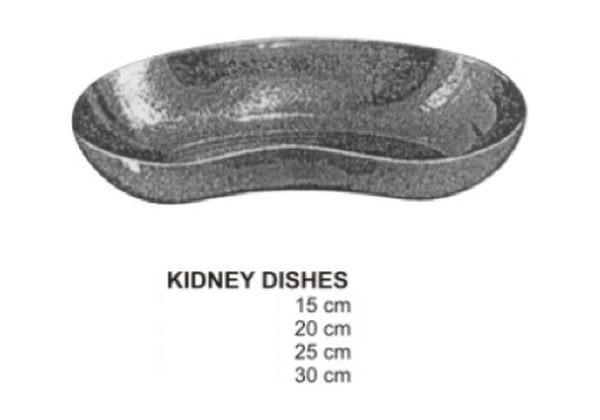
Kidney Dishes
The kidney dish curves to sit against the body. That shape lets it catch fluids or hold small items close to the patient.
Four lengths
We offer 15, 20, 25 and 30 cm. Short dishes hold swabs and sharps. Meanwhile, the 30 cm size catches larger volumes.
Why the kidney dish shape works
The inner curve hugs the cheek, arm or abdomen. So spills stay low. In addition, the shape stacks neatly.
Typical uses of a kidney dish
Nurses use it for dressing changes and vomit. Theatres use it for small instruments on the trolley. Dentists also keep one at the chair.
Steel versus single-use
A steel dish costs more at first. However, it lasts for years of washing and sterilising. Therefore, the cost per use falls over time.
Lids and larger bowls
If you need a lid, see our kidney bowls, which come with matching lids. They also go up to 300 mm long.
Kidney dish lengths
- 15, 20, 25 and 30 cm
- Curved body
- Autoclavable steel
Cleaning the dish
Rinse straight away so nothing dries in the curve. After a detergent wash, towel it dry and stack dishes by length.
How we protect each dish
Your protection for the dish extends to three years against manufacturing defects on each piece. Ahead of packing, a colleague in Atlanta examines the dish one at a time. A spare dish on the shelf avoids delays. Our FAQ list walks through orders, shipping and returns. For details on steels for surgery, read ASTM F899. For a close alternative, explore our kidney bowls with lids. View the full general surgery lineup for other sizes.
For professional use only. Returns follow our refund policy. Photos are a guide only. Also, nickel is part of the alloy; see the care and cleaning page.

Reviews
There are no reviews yet.