




Description
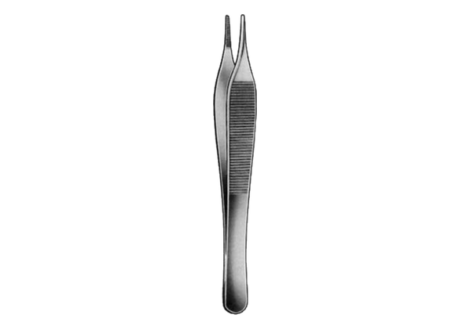
Jeweler’s Forceps
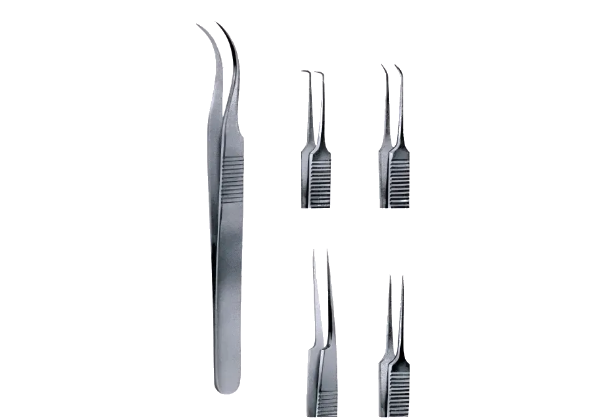
Jeweler’s forceps have very fine, pointed tips for precise work. We offer the classic figure patterns from 10 to 14 cm.
The figure patterns
Fig. 1 and Fig. 2 have sturdier points. Meanwhile, Fig. 3, 4 and 5 taper to finer tips, and Fig. 7 curves at the end.
Angled versions
Fig. 5 also comes angled at 45 or 90 degrees. So you can reach around a structure without turning your hand.
Everyday uses
Clinicians use them to remove sutures and splinters. Also, micro and eye surgeons use them for fine holding.
Choosing a figure
Pick Fig. 5 when you need the finest point. Then add Fig. 7 for curved access, or Fig. 2 for a stronger tip. For example, a Fig. 5 and a Fig. 7 cover most suture removal work. In addition, the fine points suit removing sutures, splinters and small foreign bodies in clinic. Meanwhile, the angled Fig. 5 versions help in awkward spots such as the ear or nail fold. Therefore a small selection covers both clinic and microsurgery needs.
Cleaning jeweler’s forceps
Clean the jeweler’s points with a soft brush only. Next, rinse and dry them by hand. Then fit tip covers so the fine ends stay sharp.
Jeweler’s forceps specifications
- Patterns: Fig. 1, 2, 3, 4, 5 and 7
- Fig. 5 also angled 45 or 90 degrees
- Lengths: 10 to 14 cm
Our warranty
Plus, the forceps come with our three-year warranty against defects. Then our Atlanta office checks every order before dispatch. Questions about sterilization? Our FAQs can help. Also, ASTM F899 covers surgical instrument steels. For microsurgery, see our fine tip micro forceps. You can also browse all our dressing and tissue forceps.
For professional use only. See our care and sterilization guide for notes on photos and materials, and our returns policy before you order.
Reviews
There are no reviews yet.