




Description
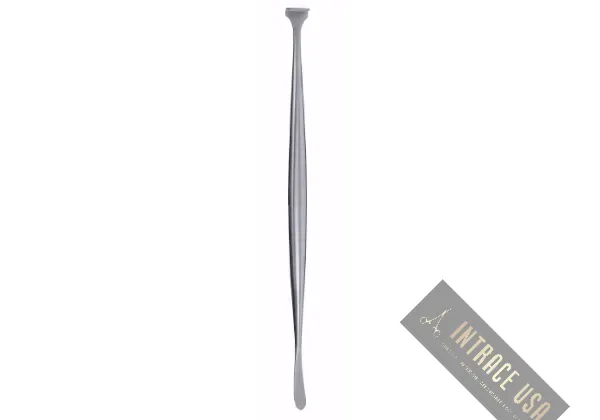
Hurd Dissector
The Hurd dissector is a classic tonsil instrument. Surgeons use the Hurd dissector to separate the tonsil from its bed and to push the faucial pillars aside.
Dissecting and retracting
Tonsil surgery calls for both dissection and retraction. So the Hurd pattern helps with both tasks in one instrument. As a result, the surgeon can reduce instrument changes during the case.
6 mm or 10 mm
We offer 6 mm and 10 mm sizes. The narrower 6 mm size suits tight spaces and smaller patients. Meanwhile, the 10 mm size covers a broader area.
During tonsillectomy
After the first incision, the surgeon slips the dissector into the plane around the capsule. For instance, they may sweep it along the tonsil while seizing forceps hold traction. Then they finish with a snare or knife.
Which size to choose
If you operate on children and adults, then keep both sizes ready. However, if most of your patients are adults, the 10 mm size may serve well. We can help you decide.
Caring for the Hurd
Remove tissue from the ends straight after use. Next, wash the dissector with a brush under warm water. Then dry the Hurd dissector and sterilize it.
Hurd specifications
- Hurd-pattern tonsil instrument
- Sizes: 6 mm or 10 mm
- Stainless steel
Ordering Hurd sizes
Every Hurd size gets a three-year warranty against Hurd workmanship faults. Before dispatch, each Hurd size also gets a hand check in Atlanta. Have a question? The FAQ with shipping answers may help. We compare Hurd steel with ASTM F899. For a left and right option, view the Dupuy Weiss dissector. Visit the ENT surgery aisle for more.
These are for professional users. Our care tips for tonsil instruments explain Hurd photos and nickel in the steel; the shipping and tracking page explains delivery.

Reviews
There are no reviews yet.