




Description
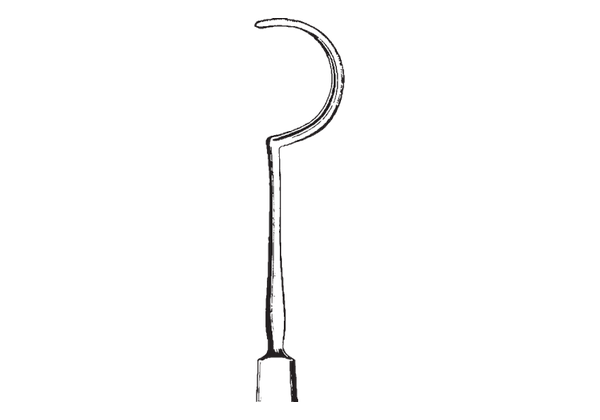
Hess Lens Expressor
The Hess lens expressor applies steady, gentle pressure to help move the lens toward the wound. It suits extracapsular and manual techniques where the nucleus leaves the eye whole. The smooth working end spreads force rather than pressing a point.
Pressure from outside the eye
In expression, one tool presses on the globe while another guides the lens out. The Hess handles the pressing side. Because the force comes slowly, the nucleus can slide out without sudden jumps.
Pairing the Hess with a lens spoon
Most surgeons use the expressor with a spoon or scoop in the other hand. For example, a Daviel or Graefe spoon can guide the lens while the Hess presses on the globe. That two-hand rhythm is the heart of manual expression.
What to look for in an expressor
A good expressor shares a few traits:
- Smooth, rounded contact surface
- Firm shaft that does not flex
- Handle you can roll in your fingers
How many Hess expressors to stock
If you do manual cataract work, an expressor is a core tool. One per set is usually enough. However, busy lists may need a spare while the first one goes through cleaning.
Care after expression cases
Viscoelastic and lens matter dry fast on steel. So rinse the Hess soon after the case, then clean it with a soft brush. Finally, check the contact surface for nicks, since even small marks can scuff tissue.
Hess expressor: order details
Hess expressors travel unsterile; after a wash and a full autoclave run, the rounded Hess tip is ready, and it keeps serving through later manual cases. Hess steel meets ASTM F899, and we check each piece in the United States. Our warranty on the Hess runs three years against manufacturing defects. For a full view of the range, open our eye surgery instruments, or browse the Snellen lens scoop as a partner tool. Visit the FAQ page for order help.
Professional use only. Care instructions and shipping times are a click away.

Reviews
There are no reviews yet.