




Description
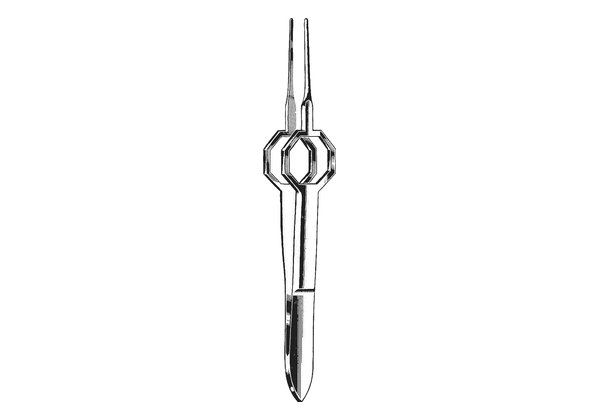
Foerster Conjunctival Forceps
The Foerster conjunctival forceps gives you four set-ups in one 8.5cm pattern. Pick curved or straight tips, then plain or 1×2 teeth. Each mix suits a slightly different task on the eye surface, so it helps to know what each one does.
Plain tips or 1×2 teeth
Plain tips grip by friction alone. They suit gentle handling, such as smoothing a layer back into place. By contrast, 1×2 teeth bite into the tissue. They hold firm when you need to lift conjunctiva and keep it from slipping while you cut.
Foerster shaft shapes
A straight shaft is easy to aim at a point in front of you. However, curved tips let you reach around the globe with less wrist turn. So they help near the fornix or under the lid, where a straight shaft can block your view.
Matching the set-up to the task
- Straight with teeth: lifting a flap at the start of a case
- Curved with teeth: holding tissue deep in the fornix
- Straight plain: laying tissue back for closure
- Curved plain: gentle work around the curve of the eye
Why 8.5cm feels balanced
The 8.5cm length sits between short and long patterns. It gives enough reach for most surface cases. At the same time, it stays light and quick in the fingers.
Rinsing Foerster jaws
First, rinse the Foerster jaws promptly after use. Next, brush the teeth or the tip faces gently. Then dry the instrument and inspect it before it goes in for sterilization.
Every Foerster version arrives non-sterile; a Foerster forceps goes to work again and again once you clean and sterilize it. We use stainless that conforms to ASTM F899 for this pattern. Our pledge covers each Foerster tip style for three years against manufacturing defects; Foerster teeth included as standard. Explore the eye instrument catalog, the toothed Hess conjunctival forceps, or our most asked questions.
Foerster forceps are for professional use only. First read our Foerster care and sterilization page and the shipping times page.



Reviews
There are no reviews yet.