




Description
Implant Drivers
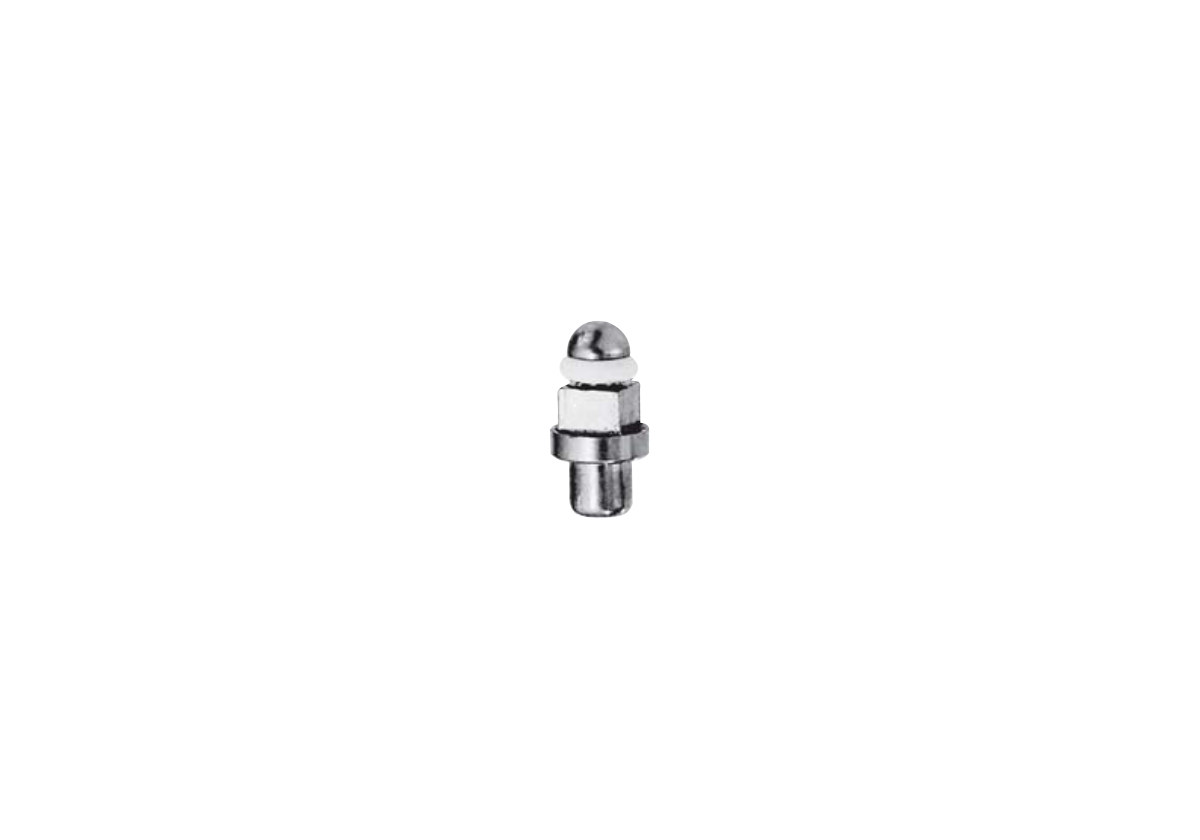
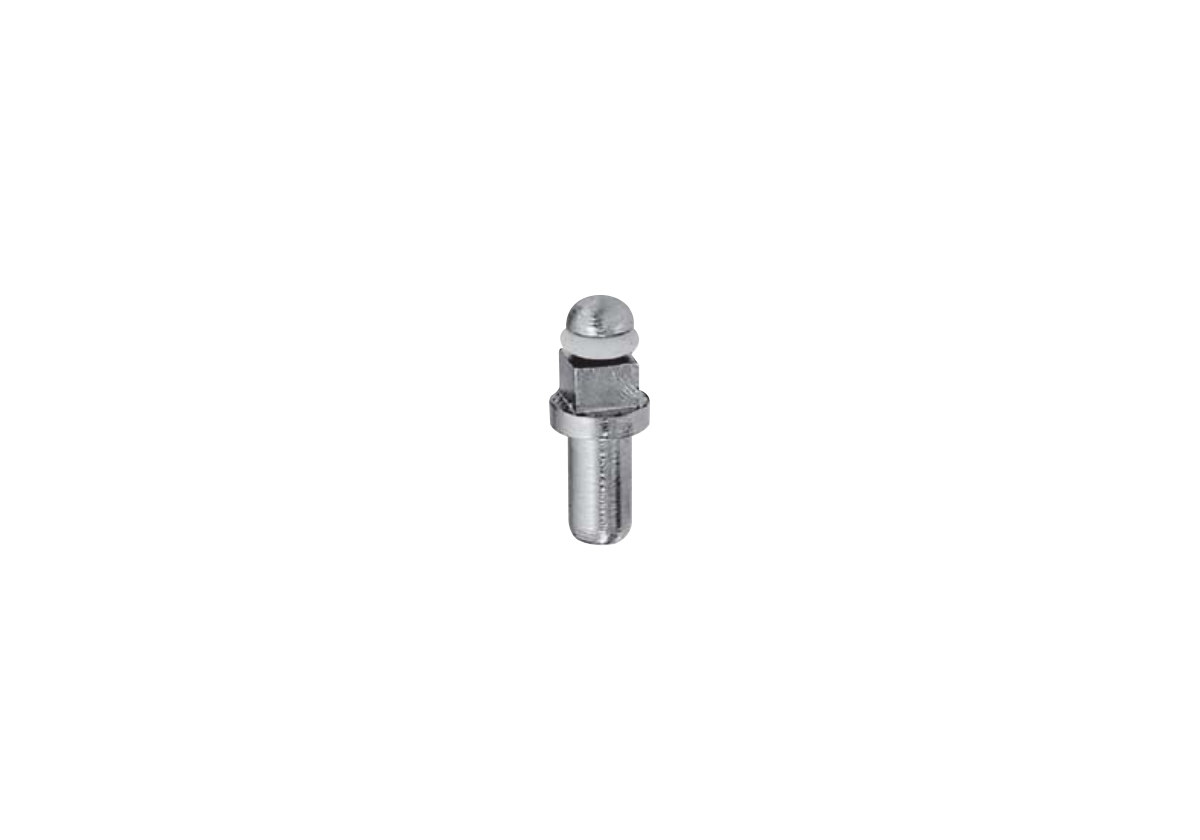
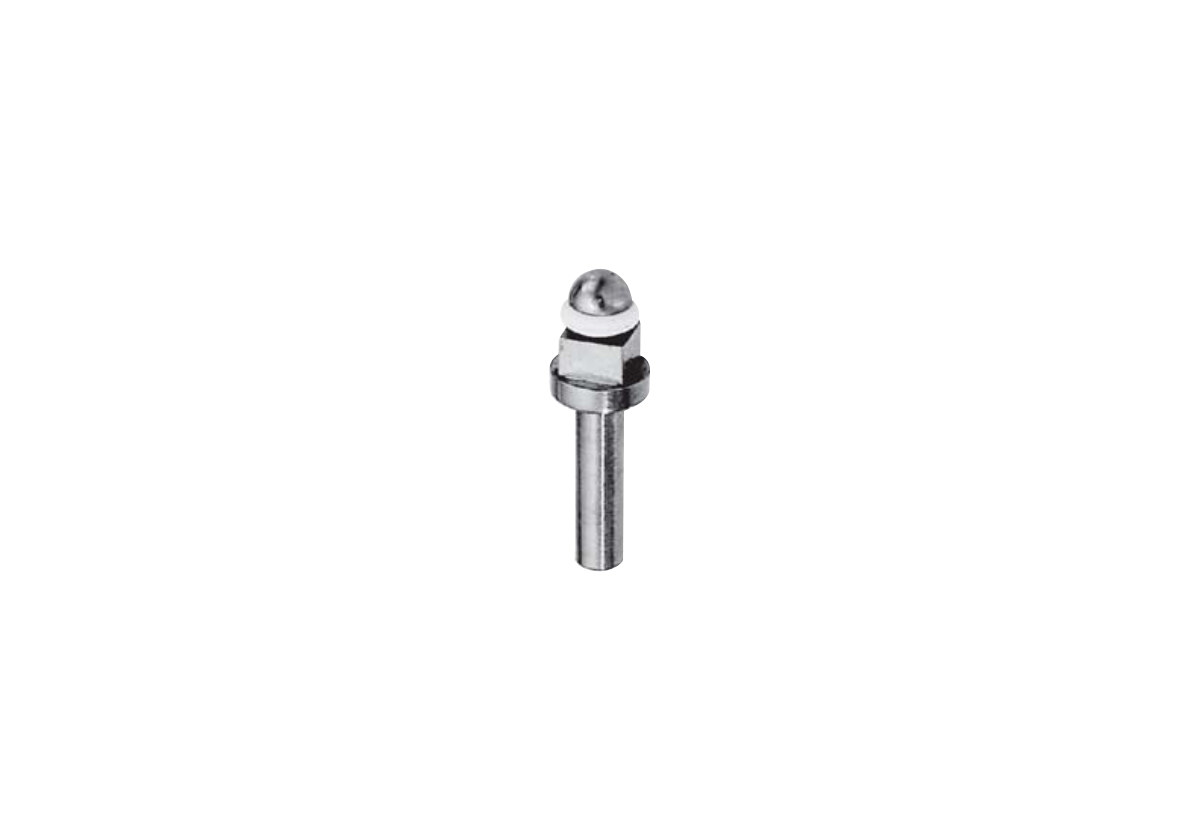
An implant driver transfers turning force from the hand or a ratchet to an implant component. In the supplier catalogue, these drivers share a page with the ratchet, torque wrench and hand drivers. In other words, they belong to a manual system, not a motor handpiece. Each driver is sold individually.
Style A, Style B and Style C
The catalogue lists three patterns, named Style A, Style B and Style C. However, it gives no written dimensions or tip descriptions for them. So the clearest guide is the product photos, which show each working end and shank. Please compare them side by side before choosing.
Confirming the Connection
A driver only works when its tip engages the component cleanly. Therefore, check the interface against the implant system you place before ordering. If you are unsure, send us photos or the component details, and we will help you compare. Also, a poor fit can slip and strip a screw head, so matching matters more than price.
Pairing With a Ratchet
Many clinicians use a driver in two stages. First, finger pressure starts the component and confirms that it is seating straight. Then, a ratchet or torque wrench adds controlled final turns. Because the catalogue groups these items together, they are designed to be used as a set.
Material, Inspection and Cover
Every driver is surgical stainless steel. A member of our United States team inspects the tip of each Style A, B or C piece before it ships. Drivers leave our shelf non-sterile; wash, dry and sterilize them ahead of seating any component. Whichever pattern you select, our coverage runs three years against manufacturing defects in tip or shank.
Steel grade details: ASTM F899. See the whole dental implant instrument line, add a matching ratchet for final turns, and check our FAQ section with questions.
Implant drivers are for use by qualified, trained clinicians. Review the care and sterilization page and our shipping and delivery page as well.

Reviews
There are no reviews yet.