




Description
DeBakey-Diethrich Bulldog Clamp
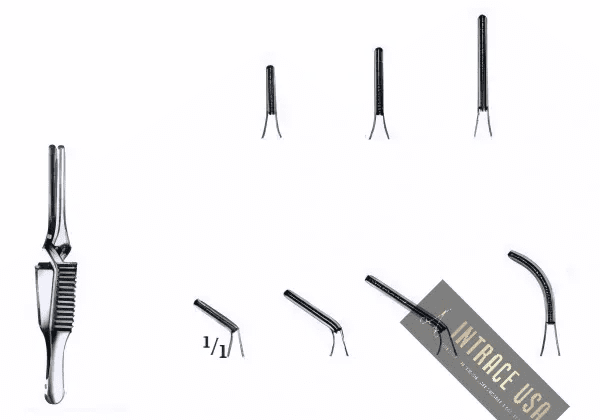
The DeBakey-Diethrich bulldog clamp combines a compact bulldog body with the DeBakey atraumatic jaw pattern. Surgeons use it for temporary control of blood flow in smaller vessels.
Sizes at a glance
Pick 50 mm with a 10 mm or 14 mm jaw. Alternatively, choose 60 mm with a 20 mm jaw for wider vessels. Then match jaw length to the segment you want to occlude.
Why the DeBakey jaw
The DeBakey pattern aims to hold tissue securely without crushing it. As a result, it suits vessels you intend to open and repair. Many vascular surgeons prefer it for that reason.
Straight versus angled
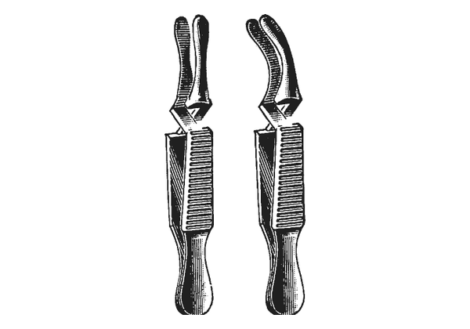
A straight clamp keeps a low line along the field. Meanwhile, an angled one sits up and out of your way. So order both if your cases vary.
Pairs and spares
Most teams order the DeBakey-Diethrich bulldog clamp in pairs. That way, you can close a vessel on both sides of an incision. Also, a spare set keeps the tray full while others go through the washer.
Reprocessing DeBakey-Diethrich bulldog clamp
Flush the jaws open as soon as the clamp comes off the vessel. Next, soak briefly in enzymatic cleaner, then brush the jaw pattern gently. Finally, dry it and check that the jaws still meet evenly before storage.
DeBakey-Diethrich bulldog clamp specifications
- 50 mm with 10 mm or 14 mm jaw
- 60 mm with 20 mm jaw
- Straight or angled
- DeBakey atraumatic jaw pattern
Buying from Intrace USA
Your instrument comes with a three-year warranty against manufacturing faults. Also, we check each piece in Atlanta before shipping. You can find care tips in our FAQs. Meanwhile, ASTM F899 describes the steel grades used for surgical instruments. For jaws up to 5 cm, see our atrauma bulldog clamp. Our full range sits in the cardiovascular and thoracic category.
For trained professionals only. Notes on images and nickel content sit in our care and sterilization guide; see shipping and delivery for dispatch details.

Reviews
There are no reviews yet.