




Description
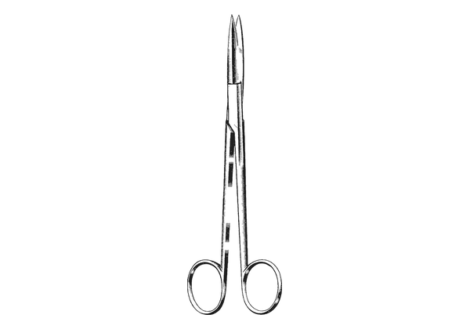
DeBakey Cardiovascular Surgery Scissors
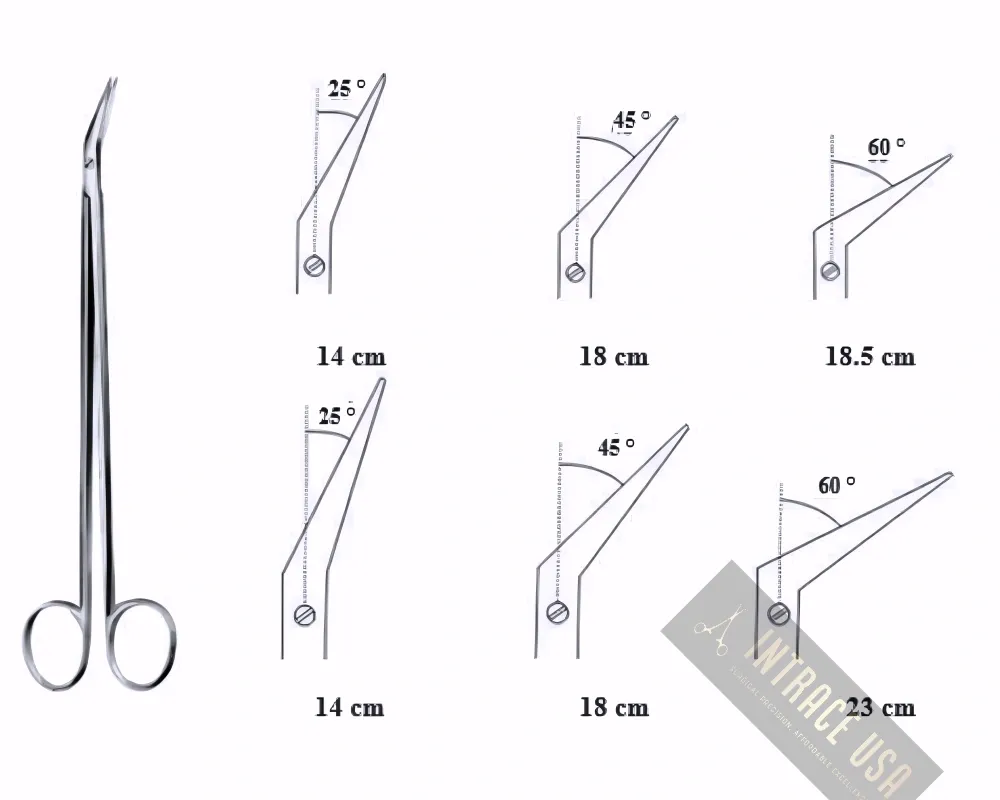
DeBakey vascular scissors follow the angled Potts-type pattern for opening and trimming blood vessels. You can choose stainless steel or tungsten carbide.
DeBakey vascular scissors: three angles
Choose a 25, 45 or 60 degree angle. A shallow angle suits vessels in line with the approach. By contrast, a steeper angle helps cut along a vessel that lies across the field.
Stainless or tungsten carbide
Stainless versions come in 15, 16, 23 and 28 cm. Meanwhile, the tungsten carbide version adds carbide cutting edges in 18 and 23 cm. Also, carbide edges suit teams that want a harder cutting surface.
Vascular uses
Surgeons use DeBakey vascular scissors to extend an arteriotomy and trim graft ends. Then the angle keeps the tip in view along the vessel. So they suit cardiac and peripheral vascular sets.
Building a range
Start with a 45 degree pair in a mid length. Next, add 25 and 60 degree pairs for varied anatomy. Plus, long sizes help in deep abdominal vascular work.
Care of DeBakey vascular scissors
Protect the angled tips from contact with other instruments. Clean the pivot with a soft brush and flush it thoroughly. Then dry the scissors and store them in a tip-protected slot.
DeBakey vascular scissors specifications
- Stainless: 15, 16, 23 and 28 cm
- Tungsten carbide: 18 and 23 cm
- Angles: 25, 45 or 60 degrees
- Potts-type angled pattern
- Carbide cutting edges on the T/C version
Warranty and support
A three-year warranty protects this instrument against manufacturing defects. We also inspect each order by hand in Atlanta. You can find care tips in our FAQs. Surgical stainless grades fall under ASTM F899. For an option with a probe, see our Potts-Smith scissors. The rest of our cardiovascular and thoracic instruments is one click away.
Professional use only. Our care and sterilization guide covers images and the nickel in stainless steel; delivery times are in our shipping policy.
Reviews
There are no reviews yet.