




Description
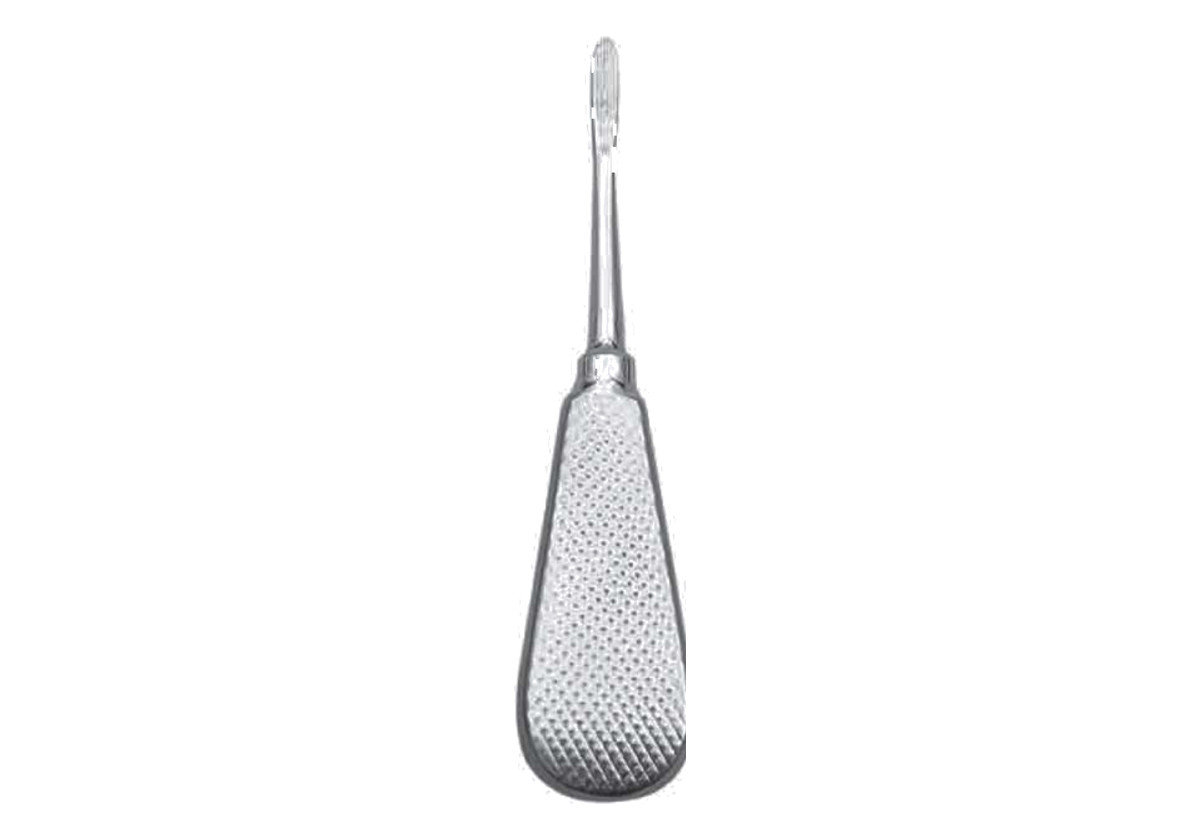
Coleman Root Elevator
This Coleman root elevator is a single pattern, so there are no figures to choose between. What matters most over its life is the edge. A sharp, true tip enters the ligament space cleanly, while a worn one skids and asks for more force.
Why the edge matters
Elevators do their job by wedging, rotation and controlled leverage. Each of those steps starts with the tip finding the PDL space. If the tip has gone round, it rides on the root surface instead. Then you push harder, and control drops.
A simple edge routine
- Inspect the tip with magnification after each case.
- Feel for burrs with a gloved finger, gently.
- Hone with a fine stone, keeping the original bevel.
- Test on a plastic stick before it goes back on the tray.
Small, regular touch-ups work better than rare heavy ones.
Knowing when to retire it
Every pass on a stone removes a little metal. Over time, the tip gets shorter and thinner. At that point, the Coleman may flex or chip. So replace it once honing no longer restores a clean edge.
Working safely in the socket
Keep a firm finger rest and use small, steady turns. Avoid resting on the next tooth unless that tooth is also leaving. Where an implant is planned, protect the buccal plate. We say little about the exact blade shape, so try it on routine roots first.
Coleman ordering and cover
Its production follows our specification, and the finished piece gets inspected in the United States. Its alloy is a stainless steel within ASTM F899. It reaches you non-sterile; wash and sterilize it, and you can use it on case after case. On top of that, this single elevator has three years against manufacturing defects in our written terms. For more choice, open the root elevator page, compare the Berten root elevator, or read our FAQ.
Only for use by dental professionals. Our care steps and shipping rules are a short read.

Reviews
There are no reviews yet.