




Description
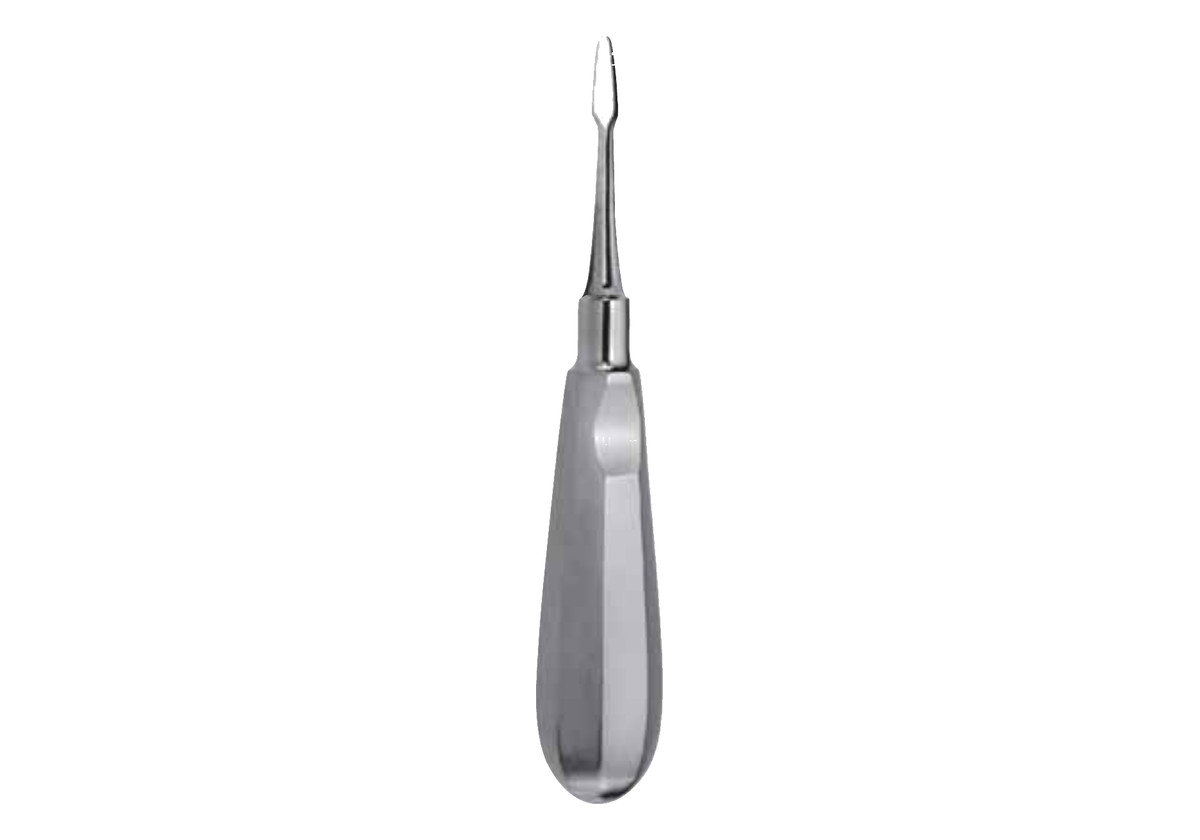
Cogswell Root Elevators
Cogswell root elevators belong to a sturdy, well-known elevator pattern. The Cogswell A and B are the names most clinicians know. Here we offer two options, Standard and Fig. A, and each sells singly.
A Sturdy Pattern for Firm Roots
Some roots need a tool that will not flex under load. That is where a sturdy elevator earns its place. Still, strength is no reason for force. Steady wedging and gentle turns between root and bone do the work.
Standard or Fig. A?
- Standard: our base Cogswell option.
- Fig. A: the A figure of the Cogswell pattern.
- Both: useful if you share a tray across rooms.
We suggest you hold both and try them on a model. Then match the option to the root and the access you face most. In short, your hand is the best judge.
Using a Strong Elevator Safely
A strong tool can pass on more force than you expect. Therefore, keep a firm finger rest close to the site. Keep the next tooth out of the lever action unless you are taking it out too. Also, if an implant may follow, spare the buccal plate.
Looking After the Cogswell Tip
Check the tip after each cycle. If the edge looks worn, hone it lightly or set it aside for repair. Moreover, dry it fully so no spots form. Then store it apart from other tools.
Cogswell Order and Care Notes
The Cogswell options follow our specification and go through inspection in the United States. Our stainless steel meets ASTM F899. It leaves us non-sterile, yet it handles cycle after cycle of cleaning and sterilisation. If the build ever lets you down, our warranty reaches three years against manufacturing defects. Browse the wider elevator range, look at the six Kopp figures, or read the FAQ.
Strictly for professional use. See our care advice and shipping options.

Reviews
There are no reviews yet.