




Description
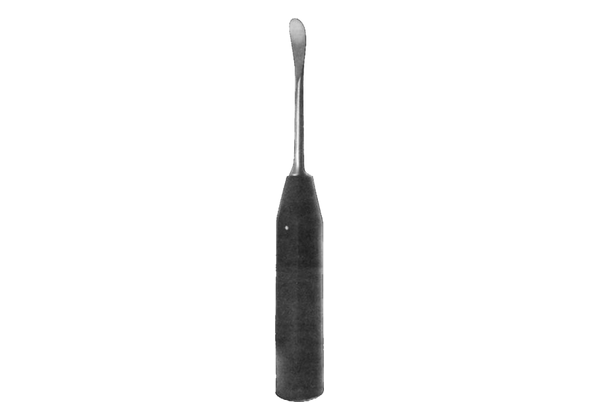
Cobb Elevator
The Cobb elevator is a classic spinal instrument, 28 cm long. Spine surgeons use it to strip muscle from the laminae and to expose the spine for fusion.
Long and strong
At 28 cm, the elevator reaches deep into the wound. Meanwhile, the stiff shaft resists bending as it levers muscle away. The blade has a broad, curved edge.
Three widths
Choose 9.5, 13 or 19 mm. In addition, the narrow blade suits the cervical spine and tight areas. By contrast, the 19 mm blade clears the lumbar spine quickly.
Where the Cobb elevator helps
Spine surgeons use it for posterior exposures. It also helps at the iliac crest when harvesting graft. In addition, hip surgeons may use it to lift muscle from the pelvis.
Technique
Begin at the tip of the spinous process. Then sweep laterally along the lamina, keeping the blade on bone. Packing with gauze afterward helps control bleeding.
Choosing a width
Cervical exposures usually call for the 9.5 mm blade. In contrast, thoracic and lumbar work suits 13 or 19 mm. Consequently, many spine sets carry two widths.
Cobb elevator options
- 28 cm overall
- Blade widths: 9.5, 13, 19 mm
- Broad curved edge
- Sent non-sterile
Care of a long elevator
Clean the blade and shaft after every case. Then rinse and dry fully. Inspect the edge and straightness regularly.
Buying essentials
In the rare case the Cobb pattern shows a material flaw, you have three years against manufacturing defects. Our Atlanta team examines this elevator with care before shipment. Explore our growing orthopedic tools list for related tools. Smaller units order one per tray to avoid delays. It pairs well with the Cobb raspatory. For more on instrument alloys, review ASTM F899. Our help page answers the ordering steps. Looking for help choosing a elevator? Message us any time.
Professional buyers only. The care and sterilization guide explains differences in pictures along with nickel in the steel. Open our shipping terms for carrier options.

Reviews
There are no reviews yet.