
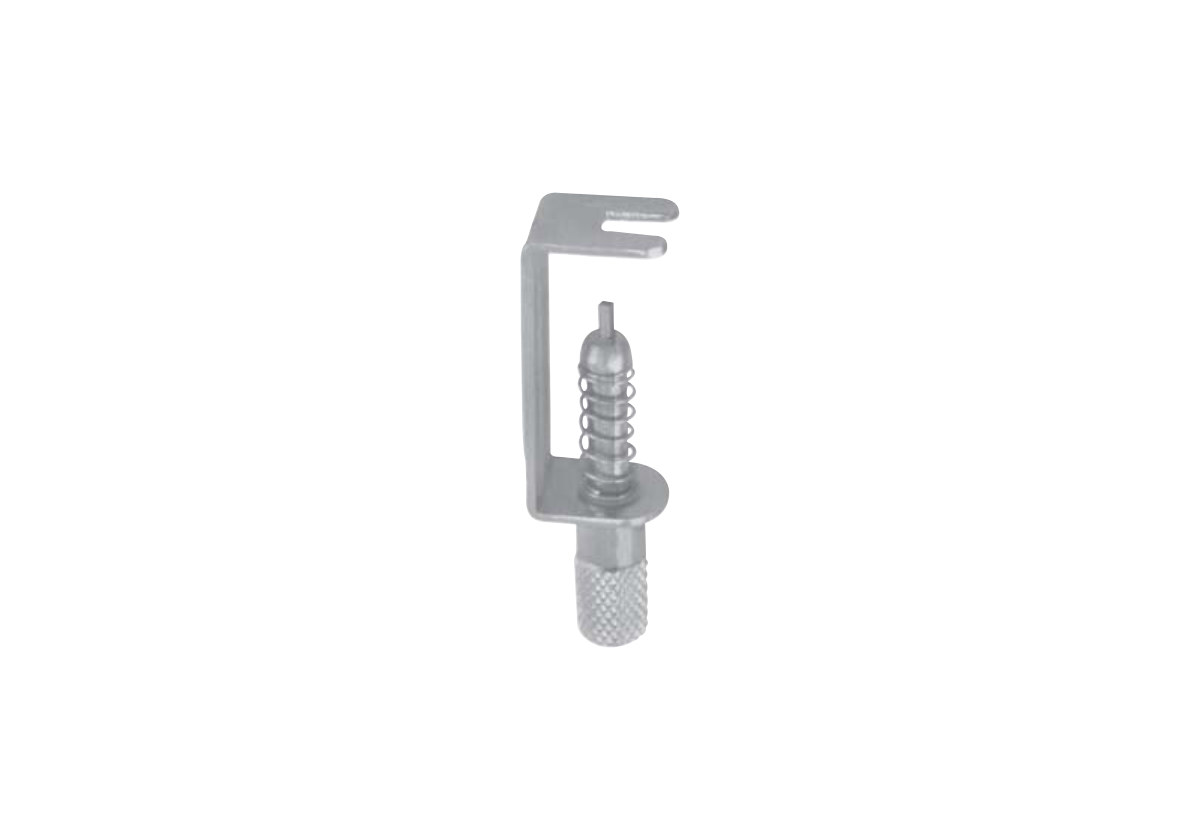
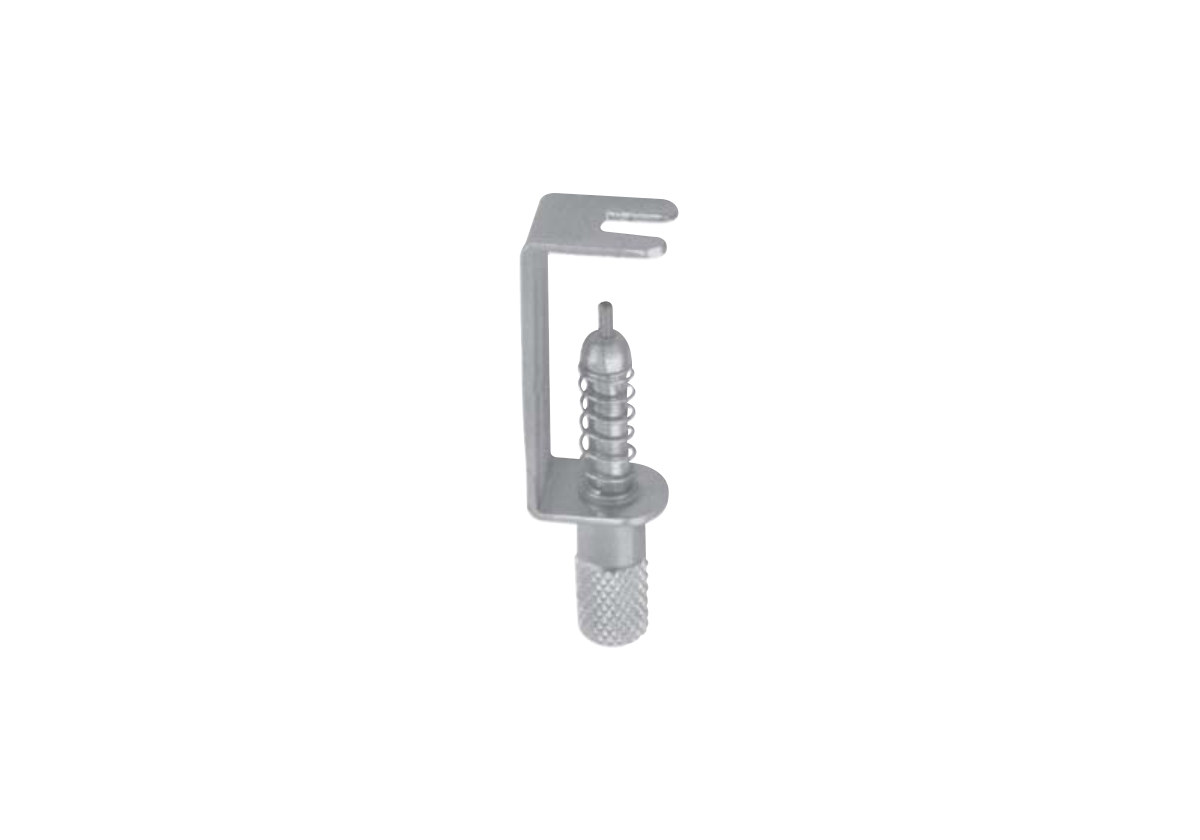




Description
Bur Changer Keys
Some handpiece heads need a small tool to release and lock the bur, and a bur changer key does exactly that. We carry two styles from the miscellaneous products page of our supplier catalogue. Choosing between them depends on the chuck design of the handpieces in your surgery.
Hexagonal Key or Square Key
The catalogue names the two keys by their working shape. So match the key to the fitting on your handpiece.
- Hexagonal Key: listed simply with a hexagonal working end.
- Square Key, for Japanese Handpieces: listed as a square key for Japanese products.
If you are unsure which your handpiece takes, check the maker’s manual first. Then compare the fitting with the product photos before ordering.
Why a Spare Key Helps
Keys are small, so they tend to disappear into drawers and cassettes. As a result, a missing key can hold up a bur change mid appointment. Many practices therefore keep one key per operatory, plus a spare in the sterilization area. In addition, mixed handpiece fleets often need both styles on hand.
Using the Key Without Damage
Seat the key fully before you turn it, because a partial fit can round off the fitting. Also, change burs with the handpiece stopped and follow the maker’s sequence. After use, reprocess the key with the handpiece kit.
Our team checks both key styles in the United States before shipment. They arrive non-sterile, so clean and sterilize each key with your handpiece instruments. Both the hexagonal and the square version get three years against manufacturing defects from us. Our steel instruments are sourced to the ASTM F899 standard. For more chairside items, visit our Dental Instruments, add the crown pliers to the same restorative setup, or see our FAQs.
Handpiece keys are meant for trained dental teams. Reprocessing notes sit on our care and sterilization page, and parcel details on our shipping page.

Reviews
There are no reviews yet.