




Description
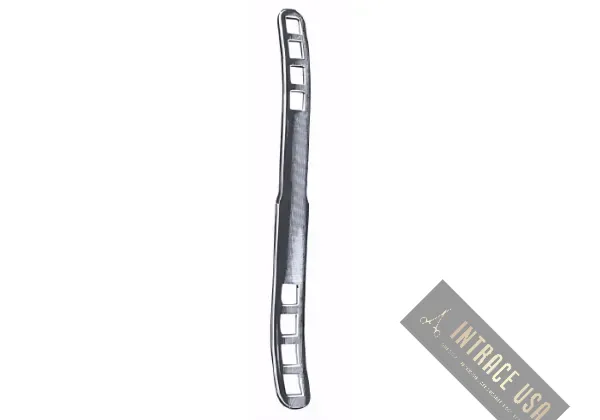
Bruenings Tongue Depressor
The Bruenings tongue depressor keeps the tongue low so the examiner sees the oral cavity and pharynx. ENT specialists use this pattern in clinic and at the bedside.
Clearing the view
The tongue often blocks the back of the mouth. So the examiner places the blade on the middle of the tongue and presses gently. The tonsils, palate and back wall then come into sight.
The 18 cm length
We stock this depressor at 18 cm. A longer handle keeps the examiner’s hand further from the face. Also, it leaves space for a headlight or mirror to work alongside. Because of that, many ENT rooms keep this length as their default.
Clinical settings
ENT clinics use steel depressors for routine throat checks. For instance, a doctor may examine a sore throat, the tonsils or the palate. Afterward, the depressor goes to the sterilizer instead of the bin.
Choosing a length
Some clinicians prefer a short depressor for close work. In contrast, others like the reach of an 18 cm pattern. If you are unsure, order one of each and compare them in practice. Then standardize on the one your staff prefer.
Caring for your Bruenings tongue depressor
Rinse away saliva right after the exam. Then clean the blade with a soft brush and mild detergent. Once dry, sterilize it and store it in a clean tray.
Bruenings tongue depressor specifications
- 18 cm overall length
- Reusable steel depressor
- Stainless steel
Purchasing details
Each depressor comes under our three-year warranty, which protects against workmanship defects. We inspect all orders by hand in Atlanta before they leave. Questions about delivery and invoices go to our FAQ page. The recognized standard for these steels is ASTM F899. For theater work, consider the Davis-Boyle mouth gag as well. Our ENT department lists every related tool.
Intended for professionals. Photo guidance and a note on nickel in stainless steel sit in our care section; refund steps sit on the returns page.
Reviews
There are no reviews yet.