




Description
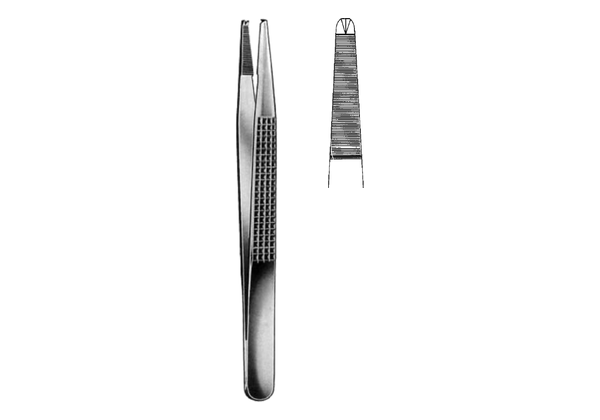
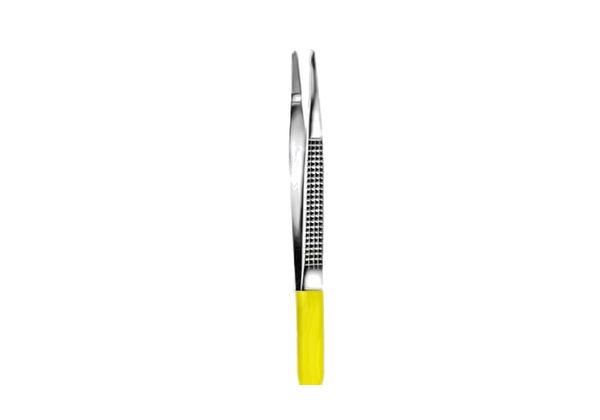
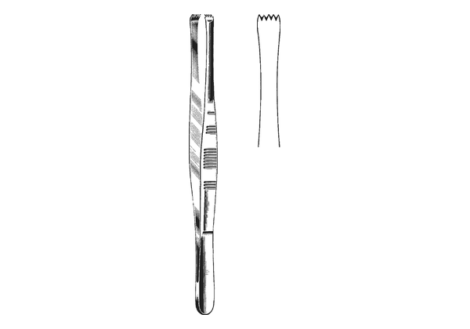
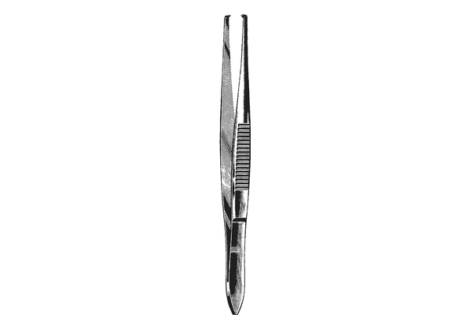
Bonney Tissue Forceps
Bonney forceps are a heavy tissue pattern often used in gynaecology and caesarean closure. They come in stainless steel or with tungsten carbide tips.
Strong teeth
The stainless steel version has 1:2 or 2:3 teeth. So it grips thick fascia and muscle layers firmly.
Carbide option
The carbide version comes serrated or with 1:2 teeth. Meanwhile, the hard inserts keep their grip much longer.
Two lengths
The 18 cm size suits most closures. By contrast, the 17 cm carbide size keeps the hand a little closer.
Where they fit
Obstetric and gynaecological trays often carry a Bonney pair for fascia. Then a lighter forceps handles skin. Also, carbide suits theatres that want a longer service life. In addition, Bonney forceps suit caesarean section and hysterectomy closures. Meanwhile, the carbide version keeps its grip over many more cycles. Therefore many obstetric units carry at least one Bonney pair on each tray. Also, the Bonney forceps help lift the rectus sheath evenly during closure, which keeps the suture line straight.
Cleaning Bonney forceps
Wash the Bonney teeth promptly after surgery. Next, brush the carbide or steel tips and dry the forceps. Then keep them where the tips cannot strike other steel.
Bonney forceps specifications
- Lengths: 17 and 18 cm
- Stainless steel: 1:2 or 2:3 teeth
- Tungsten carbide: serrated or 1:2 teeth
Supply and warranty
If your forceps show a manufacturing defect within three years, we will put it right. Then our Atlanta office checks every order before dispatch. You can find care tips in our FAQs. Meanwhile, ASTM F899 describes the steel grades used for surgical instruments. For a broad-tip pattern, see our Ferris-Smith forceps. Our full range sits in the thumb forceps category.
For professional use only. See our care and sterilization guide for notes on photos and materials, and our returns policy before you order.
Reviews
There are no reviews yet.