




Description
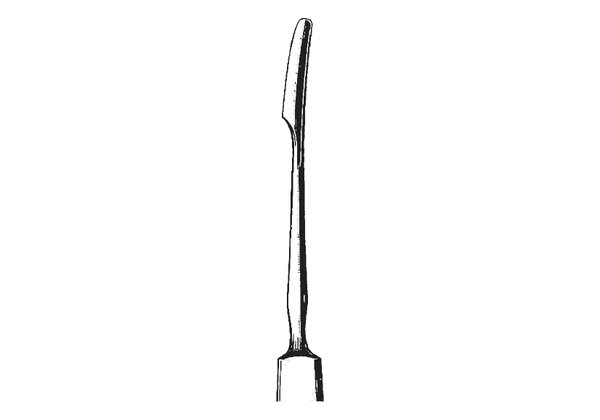
Anderson-Critchett Eye Knife
The Anderson-Critchett eye knife is a named steel blade from the British tradition of eye surgery. It suits surgeons who want this exact classic pattern. Since we hold little detail on its first use, this page sticks to shape, care and choice.
A British Classic
George Critchett was a noted London eye surgeon in the 1800s. His name sits on several classic instruments. This combined pattern follows that line. However, the photos are your best guide to its true outline.
Is It Right for Your Tray?
- Pick it if you already use this pattern.
- Compare it with a Graefe or Knapp knife if you are unsure.
- Note that only one form is on offer.
- Keep a guard for storage.
Edge First, Always
A fine blade is only as good as its edge. So keep it from touching other metal. Store it alone or with a guard. Also, check it under magnification after each cleaning.
Timing the Enzyme Soak
Dried protein clings to fine steel. For this reason, start an enzyme soak within the hour after surgery. Follow the soak time on the cleaner label. Then rinse well, since leftover cleaner can stain the blade in steam.
Briefing New Theatre Staff
New staff may not know classic eye knives. So show them the blade, the guard and how to pass it. Next, explain where it sits on the tray. A two minute briefing prevents both injuries and damaged edges.
Cover and Shopping Links
We pack this British pattern clean but not sterile. So sterilize it on arrival; after every later case, the same cycle brings it back. Anderson-Critchett orders come with three years against manufacturing defects as a matter of course. Our stainless steel is picked with ASTM F899 in view. Look through our ophthalmic knives or see the Knapp pattern. Our FAQ guide covers payment.
This pattern is for professional users. Please check our care steps and shipping times.



Reviews
There are no reviews yet.