




Description
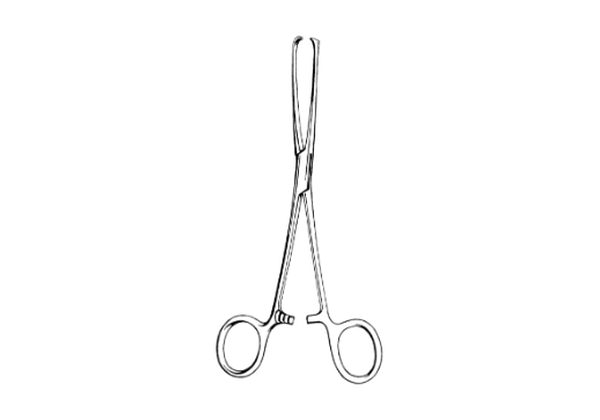
Allis Tissue and Organ Holding Forceps
The Allis forceps are the classic tissue grasping forceps. Their teeth interlock to hold tissue edges and fascia firmly, and the ratchet keeps the grip steady.
Five tooth options
We offer 2:3, 3:4, 4:5, 5:6 and 6:7 teeth on a 15 cm frame. Fewer teeth give a narrow bite. Meanwhile, more teeth spread the grip.
Why the Allis forceps last
The design is simple and effective. As a result, it suits many tasks across specialties. Almost every general tray carries a few.
Typical procedures
Hernia, breast and abdominal surgery all use them. For example, they hold fascia edges during closure. They also lift a sac or cyst wall.
Technique
Place the teeth on tissue that will be removed where possible. Next, choose the first ratchet click that keeps the grip. Also, avoid long-term grasp on healthy skin.
Choosing a tooth count
Small edges suit 2:3 or 3:4. By contrast, bulky tissue suits 5:6 or 6:7. Additionally, many surgeons keep two options.
Related patterns
Atraumatic, Thoms and Adair versions build on the same idea. Together they cover delicate to bulky tissue. Ask us if you need help choosing.
Allis forceps options
- 15 cm overall
- 2:3, 3:4, 4:5, 5:6 or 6:7 teeth
- Ratchet lock
Care
Brush the teeth and ratchet after each case. Rinse and dry. Then sterilise.
Buying from us
Choose any tooth count; you still get three years against manufacturing defects. Our Atlanta inspector goes over this forceps one at a time before dispatch. Browse our broad general surgery department for more. If you have a question, consult our FAQs. A close relative is the atraumatic pattern. We can answer questions on request. For background on steels for surgery, visit ASTM F899.
Only for qualified users. Refund rules are on our returns policy. The sterilization page outlines why photos vary as well as nickel content.


Reviews
There are no reviews yet.