




Description
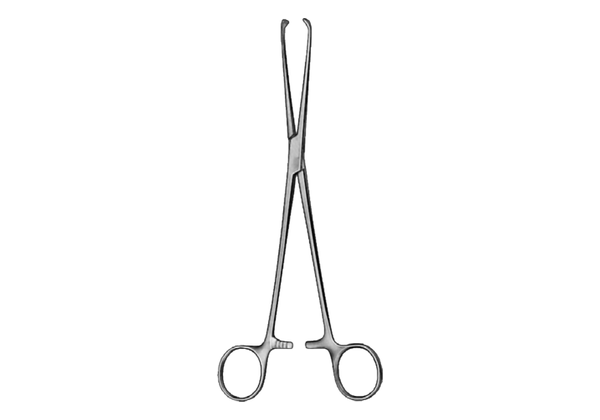
Allis – Atrauma Tissue and Organ Holding Forceps
The atraumatic Allis forceps combine the Allis shape with fine atraumatic jaws. They hold bowel, vessels and other delicate tissue while leaving very little mark.
Atraumatic jaws
Fine, rounded ridges replace the usual sharp teeth. As a result, the grip stays secure without piercing. That protects tissue that must heal.
Four lengths of the atraumatic Allis forceps
We offer 16, 20, 25 and 30 cm. Shorter sizes suit open surface work. Meanwhile, 25 and 30 cm reach the pelvis and deep chest.
Typical procedures
Bowel, vascular and thoracic surgery all use them. In particular, they steady the bowel wall while the surgeon sews it. Lung tissue is another good match.
Technique
Close the jaws evenly across the tissue and engage one click. If the hold slips, move the jaws instead of tugging.
When to choose atraumatic jaws
Toothed jaws suit tissue that will be removed. By contrast, atraumatic jaws suit tissue that stays. In addition, many trays carry both styles.
Long patterns
The 30 cm size is unusually long for an Allis. Therefore, it reaches deep spaces in large patients. It also helps in thoracic work.
Atraumatic Allis forceps options
- 16, 20, 25 or 30 cm
- Atraumatic jaws
- Ratchet lock
Jaw inspection
Clean the fine ridges with a soft brush. Rinse and dry. Then check the ridges for damage before sterilising.
Why we stand behind each forceps
A team member in Atlanta studies every forceps by eye before sealing the box. All four atraumatic Allis lengths come with three years against manufacturing defects. For background on instrument metals, visit ASTM F899. Extra patterns are in the general surgical category. For answers on returns, read our FAQ list. Also worth a look is our standard Allis pattern.
Professional use only. Dispatch windows live on our shipping page. The care guidance notes photo differences and nickel in the steel.

Reviews
There are no reviews yet.