





Description
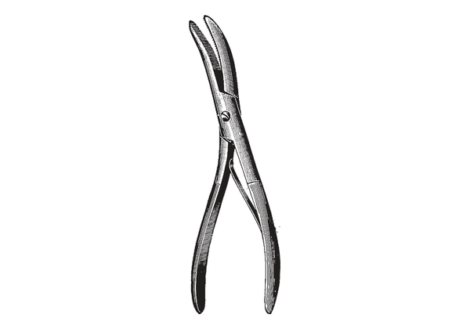
Wire Twisting Forceps
These wire twisting forceps grip wire ends and twist them together to secure a fixation. Tungsten carbide jaws hold wire firmly without slipping.
Carbide jaws
Wire is hard and smooth, so ordinary jaws can slip. By contrast, tungsten carbide jaws bite and hold. Therefore twists form tightly and evenly.
Five lengths
Choose 15, 17, 18, 18.5 or 20 cm. Short forceps suit fine wire and small fields. Meanwhile, longer forceps give leverage for heavier wire.
Who uses wire twisting forceps
Fracture teams tighten cerclage and tension band loops with them. Also, jaw surgeons twist interdental wire. Hand surgeons use the shorter lengths.
Twisting technique
Grip both wire ends together and pull gently to tension them. Then rotate the forceps steadily. Stop before the wire becomes brittle.
Finishing
After twisting, cut the excess and bend the twist flat. Consequently, it does not irritate tissue. Check tension before closing.
Choosing a length
Short twisters suit facial and hand wiring. Meanwhile, long twisters suit cerclage around large bones. Therefore many units keep two lengths.
Wire twisting forceps lengths
- 15 cm and 17 cm
- 18 cm and 18.5 cm
- 20 cm
- Tungsten carbide jaws; non-sterile
Twister care
Wire twisting wears jaws, so inspect the carbide after cleaning. Oil the box joint once dry.
Cover and service
An Atlanta colleague checks every wire twister in person before shipment. Our warranty on each wire twister spans three years against manufacturing defects. For a close alternative, explore the Martin wire twister. More patterns are in the orthopedic department. Many theaters hold a second wire twister so a case never waits. We also advise on choices for larger orders. For the basics of surgical stainless steel, look up ASTM F899. The questions page walks through returns and delivery.
For hospital and clinic use. The reprocessing guide mentions differences in pictures and the nickel in stainless steel. Refund rules sit on the returns page.

Reviews
There are no reviews yet.