




Description
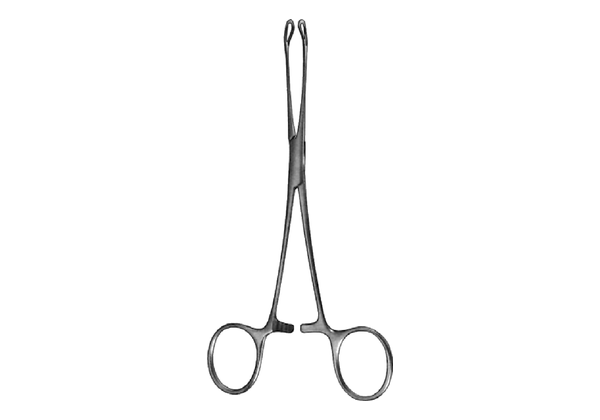
Williams Tissue and Organ Holding Forceps
The Williams tissue forceps grasp tissue edges and organs in general surgery. A ratchet lets the assistant hold traction steadily through the case.
Size of the Williams tissue forceps
They measure 16 cm. Additionally, that suits superficial and moderate depth work. Meanwhile, the short length gives fine control.
Grip and ratchet
The jaws grip firmly, while the ratchet holds them closed. As a result, the hold stays steady without hand fatigue. Release is quick when needed.
Typical procedures
General surgeons use them for fascia, bowel and soft tissue. For example, they hold a hernia sac. They also lift tissue edges for suturing.
Technique
Grasp only what you need. Then close to the lightest ratchet step that holds. Also, avoid twisting the tissue.
Pairing
Allis and Babcock forceps offer other jaw patterns. Together they cover most tissue types. Many trays carry a mix.
Williams tissue forceps on the tray
Most general sets hold two or three tissue forceps of different patterns. In that mix, the Williams pair covers moderate depth work, while longer patterns take over in the pelvis.
Williams tissue forceps details
- 16 cm overall
- Grasping jaws
- Ratchet lock
Care
Clean jaws and ratchet after use. Rinse, dry and sterilise.
Buying your forceps
Any forceps receives a thorough once-over at our Atlanta office before it ships. The Williams pattern carries three years against manufacturing defects. Ratchet tested before dispatch. Visit our complete general surgical instruments for extra options. The order FAQ clears up returns and delivery. We can quote multiples by email. For a matching piece, see our Lockwood forceps. For details on instrument steels, open ASTM F899.
Sold for professional use. The images here are illustrative, while stainless steel contains nickel; open the care page for more. Return rules follow the returns terms.

Reviews
There are no reviews yet.