




Description
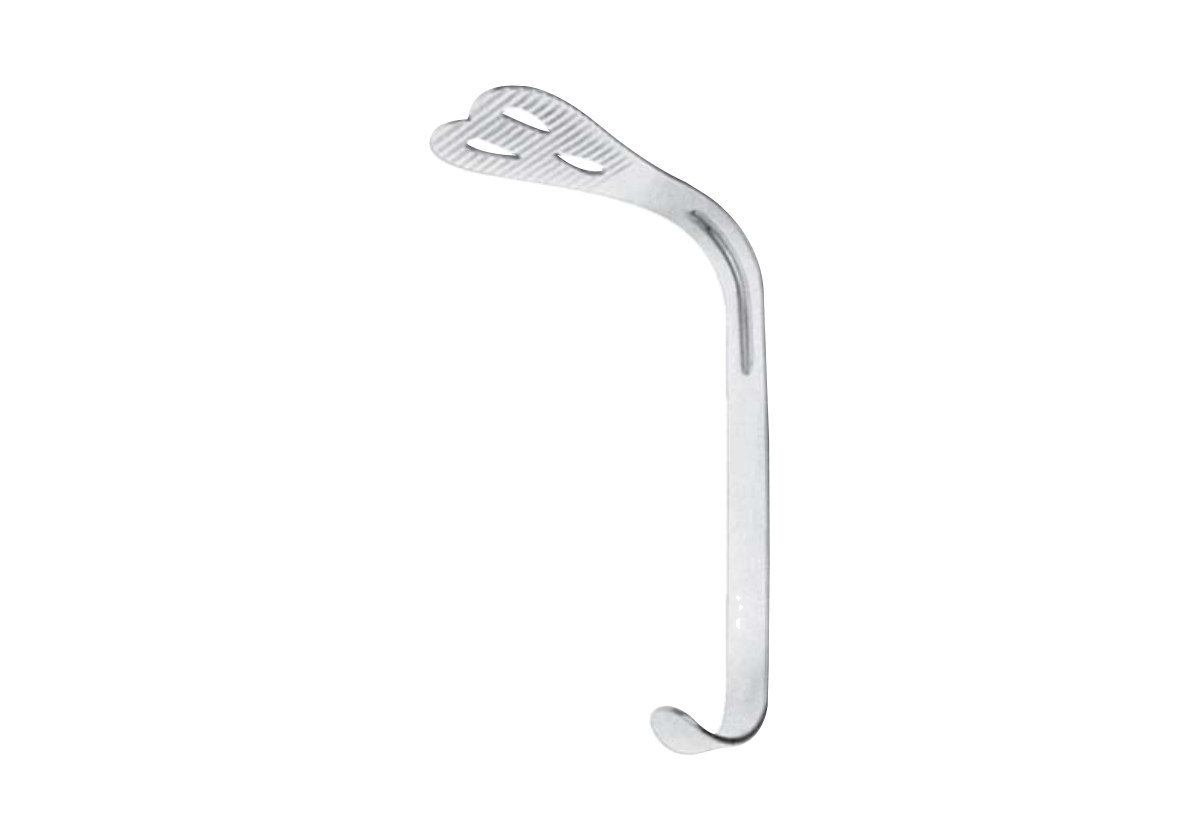
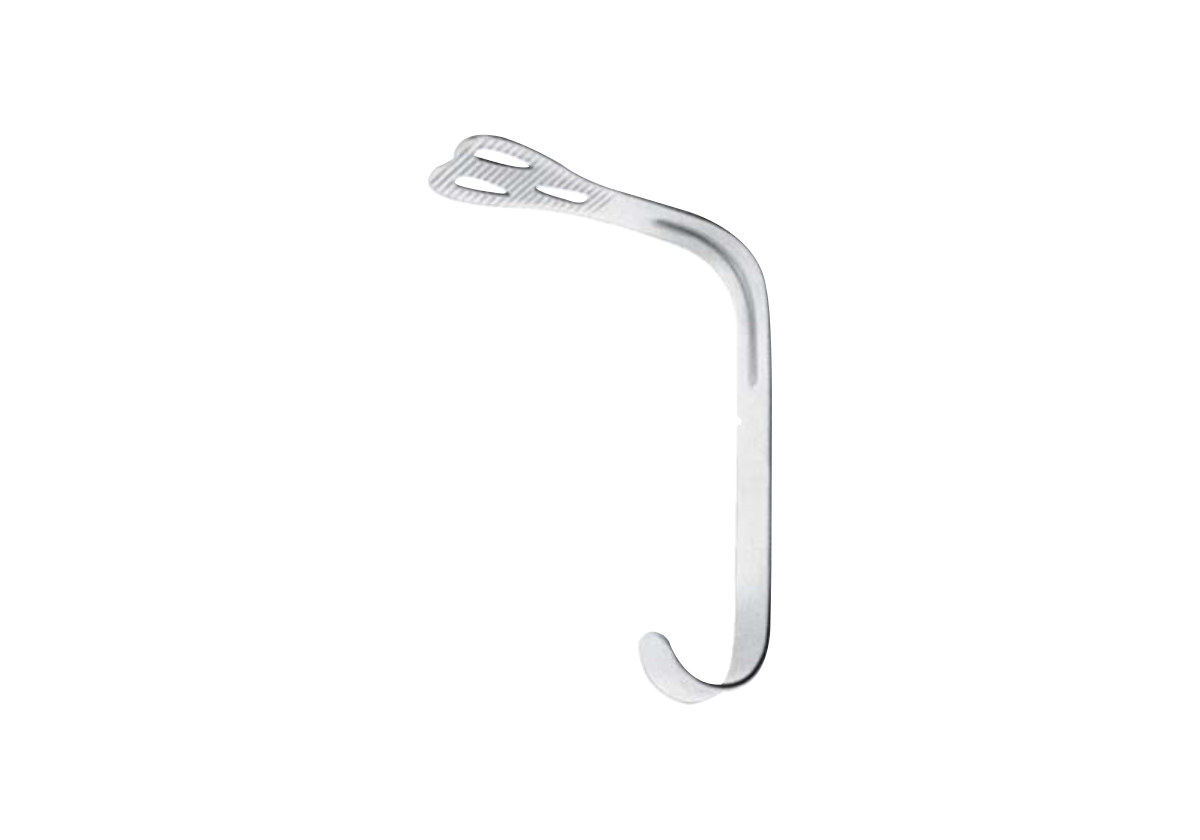
Weider Tongue Retractor
Lingual access in the lower arch is hard while the tongue keeps moving into view. The Weider tongue retractor is a classic pattern for holding it back steadily. Our supplier catalogue lists two versions, defined by how wide the blade is at its tip.
31 mm Versus 44 mm Tip Width
The option names give the width of the retracting end.
- 31 mm: the small version, which suits narrower mouths, smaller patients or sites near the front of the mandible.
- 44 mm: the wider version, which controls a larger tongue and covers more of the floor of the mouth.
When in doubt, start with the wider blade for an adult molar case. Then switch to the small one if it crowds the field.
Why the Lingual Side Needs Protection
Drills, burs and blades all work close to the tongue during mandibular implant surgery. So a firm retractor reduces the chance of the tongue drifting into the instrument path. It also gives the surgeon a better view of the lingual plate.
Positioning for Patient Comfort
Seat the blade gently on the lateral border of the tongue, then draw it toward the opposite side. Also, avoid pressing too far back, since that can trigger a gag reflex. For long procedures, ease the pressure now and then to let the patient swallow.
All Weider tongue retractor units are checked by hand in the United States before shipment. Small or wide, each tongue blade includes three years against manufacturing defects. Expect it unsterilized in the box, and run it through your cleaning and steam cycle first.
We supply steel that matches ASTM F899 for surgical alloys. Explore the surgical retractor collection for related tools, and for a firm grasp on the tongue see the Young tongue seizing forceps. Read our frequently asked questions for ordering help.
Intended for trained oral surgery teams. Our instrument sterilization guide lists reprocessing steps, and the delivery and shipping page lists carrier options.


Reviews
There are no reviews yet.