





Description
Twist Drill Diameter for Distraction Screws
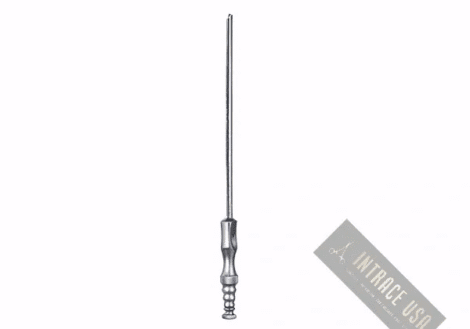
This twist drill for distraction screws cuts the pilot hole before a distraction screw goes into a vertebra. A pilot hole guides the screw and helps it seat straight.
Why drill first
Distraction screws must sit firmly in bone, because the distractor pushes against them. So surgeons drill a small hole first. That step keeps the screw on track and reduces the chance of cracking the bone.
Size
We list one version: 15 cm long with a 1.7 mm diameter. The diameter decides the pilot hole size. Therefore, check that 1.7 mm matches your screw system.
Where it fits in a distraction set
First, the twist drill for distraction screws cuts the hole. Next, the screw driver seats the screw. Then the distractor spreads the space between the vertebrae. Finally, the surgeon removes the screws.
Checking compatibility
Screw systems vary, and the drill must match both the screw and the drill guide. If you are not sure, send us your screw details or a photo. We will then confirm whether this drill suits your set.
Caring for your twist drill
Remove bone dust from the flutes right after surgery, using a brush that reaches into the spiral. Then rinse well. Dry it completely, inspect the tip for wear and sterilize it with the distraction set.
Twist drill for distraction screws specifications
- Length: 15 cm
- Diameter: 1.7 mm
- Stainless steel
Ordering the twist drill
Should the drill show a workmanship defect, a three-year warranty applies. In Atlanta we inspect the flutes and tip by hand before shipping. For order steps, see the FAQ page. We refer to ASTM F899 for the steels in surgical drills and instruments. Afterwards, the screw driver for distraction screws seats each screw. The neurosurgery department holds more spine tools.
Drills are for professional use. The sterilization guide explains photo differences and nickel in stainless steel; see our returns policy if you need to send one back.
Reviews
There are no reviews yet.