




Description
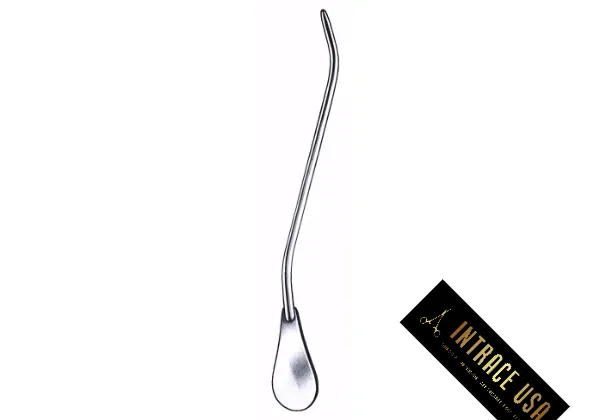
Ritter-Halle Probe
The Ritter-Halle probe helps the surgeon locate and explore sinus openings. ENT surgeons use a probe like this to feel their way along narrow passages in the nose.
Feeling the way
Sinus openings can hide behind folds of mucosa. So the surgeon guides the probe gently until it finds the passage. That feedback confirms the route before any cutting instrument follows.
Three sizes
We list the probe in 2.5 mm, 3 mm and 4 mm sizes. The small size fits tight openings. In contrast, the 4 mm version suits wider passages.
Its role in sinus work
Probes often come first, before forceps and punches. For example, the surgeon may check an opening with the probe and then enlarge it. The probe also helps confirm the result at the end.
Which size to order
Many surgeons keep all three sizes on the tray. That way they can step up from small to large as needed. If you want exact lengths, contact us and we will provide them.
Caring for your Ritter-Halle probe
Wipe the probe clean between uses during the case. Afterward, rinse it and brush along its length. Then dry it and sterilize it in a tray that keeps it straight.
Ritter-Halle probe specifications
- Sizes: 2.5 mm, 3 mm or 4 mm
- Probe for sinus openings
- Stainless steel
Ordering probes
Each probe comes with our three-year warranty against faults of workmanship. Before dispatch, a person on our Atlanta team inspects it by hand. Our FAQ pages explain payment and delivery. In addition, anyone asking about steel can look up ASTM F899, which covers surgical instrument alloys. After probing, a Coakley sinus curette can clear the area. Then see the complete ENT surgical instruments range.
For professional ENT use only. Our care and sterilization advice page explains what probe photos show and why stainless steel contains nickel; the shipping page gives delivery estimates.


Reviews
There are no reviews yet.