




Description
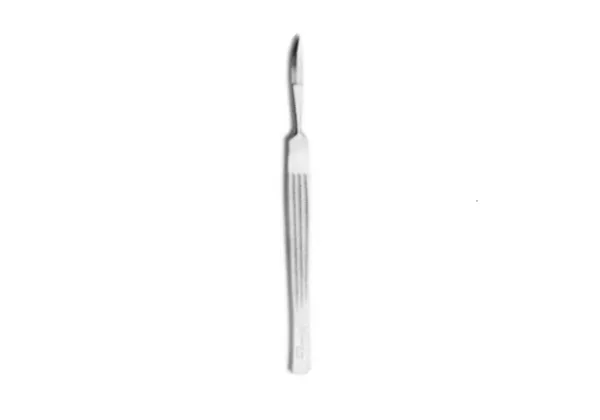
Joseph Rhinoplasty and Nasal Knife
The Joseph nasal knife comes from Jacques Joseph’s classic rhinoplasty set. It serves two jobs in nose surgery: opening incisions and undermining skin over the bony and cartilage vault.
Four options
We offer a pointed or blunt tip, each with a wide or narrow blade. So there are four combinations in total. Each suits a slightly different task.
Pointed or blunt tip
A pointed tip starts incisions precisely. In contrast, a blunt tip suits dissection, because it separates tissue with less risk of piercing it. Therefore many surgeons keep one of each.
Wide or narrow blade
A wide blade covers more tissue per sweep during undermining. Meanwhile, a narrow blade fits tighter spaces inside the nostril. Choose based on where your surgeon works most often. Also, you can mix blade widths across the two tip types.
In a rhinoplasty
First, the surgeon places incisions with a pointed knife. Next, a blunt knife helps free the skin over the dorsum. Then rasps and osteotomes reshape the framework beneath.
Caring for your Joseph nasal knife
Take special care with the pointed versions during cleaning. Rinse and wash by hand, then dry thoroughly. Finally, sterilize the knife with its edge guarded.
Joseph nasal knife specifications
- Tip: pointed or blunt
- Blade: wide or narrow
- Four combinations, stainless steel
Picking and ordering one of four
All four tip and blade options carry our three-year warranty against workmanship defects. Before it ships, a person on our Atlanta team inspects the pointed or blunt tip by hand. Our FAQ for customers answers common questions. ASTM F899 is the steel standard that covers pointed and blunt knives like these. To lift the skin while you dissect, add the Joseph skin hook. You can also explore the ENT surgical department.
Pointed and blunt knives are for professionals only. Our instrument care notes cover knife photo accuracy and nickel in the alloy. Our shipping and delivery information lists delivery times.


Reviews
There are no reviews yet.