




Description
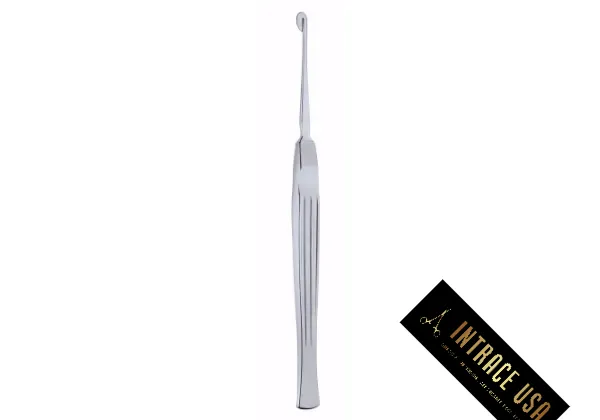
Freer Rhinoplasty and Nasal Knife
A straight blade on a 15 cm body, the Freer nasal knife makes incisions on the septum and inside the nose. Septal and rhinoplasty surgeons keep it close at hand.
The straight advantage
Generally, a straight knife moves exactly where the hand directs. As a result, the surgeon can place a clean, even incision along the septum. It also transfers pressure evenly along the edge.
Size
We list this knife at 15 cm, straight. So that size suits access through the nostril. For blade dimensions, ask us and we will measure one.
Opening the septum
First, septoplasty usually starts with an incision through the lining. For instance, the surgeon may cut near the front edge of the septal cartilage. Then an elevator lifts the flap.
Completing your Freer set
Otto Freer lent his name to elevators, chisels, gouges and knives. Therefore many surgeons keep several Freer tools together. This knife often starts the sequence those other tools finish.
Caring for your Freer nasal knife
First, rinse off tissue right after use and wash the blade gently. Next, dry it completely. Also fit an edge guard for sterilization and storage.
Freer nasal knife specifications
- Straight blade
- Length: 15 cm
- Stainless steel
Ordering this straight knife
Our three-year warranty applies to this straight 15 cm knife for defects in workmanship. Then, before shipping, a colleague in Atlanta examines the straight edge by hand. Most order questions have answers on our FAQ webpage. ASTM F899 is the standard that describes septal knife steel and other surgical instrument steel. After the incision, many surgeons lift the flap with a Freer elevator. More items appear in our ENT surgery pages.
Straight nasal knives are for professional use. Learn why a knife photo may differ from the product, and how nickel fits into stainless steel, in the care and sterilization section. See our returns guidance for returns.


Reviews
There are no reviews yet.