




Description
Deaver Retractor
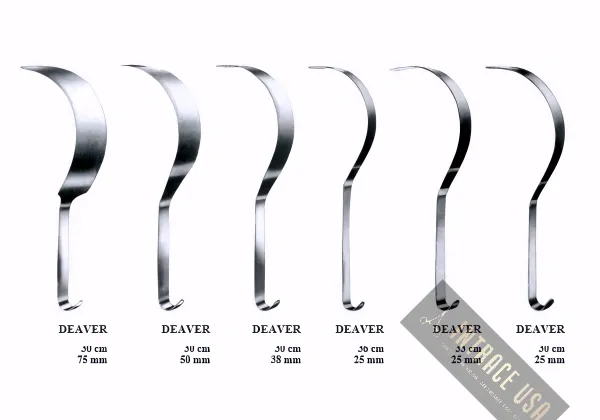
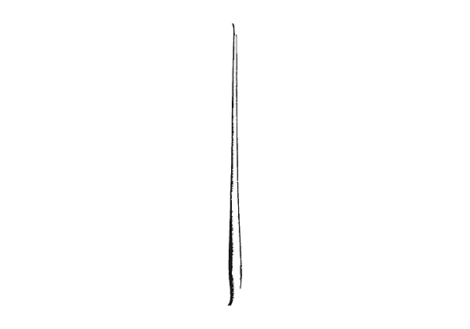
The Deaver retractor has a smooth blade that curls like a question mark. Surgeons hook it over liver or bowel to hold deep organs aside.
Seven widths
Widths run 19, 22, 25, 38, 50, 75 and 100 mm. So narrow blades suit small spaces, while wide ones hold a whole lobe. Also, length grows with width.
Length by width
The 19 mm blade sits on an instrument of about 18 cm. Then 22 mm measures about 21.5 cm and 25 mm about 23 cm. Finally, 38 to 75 mm run about 30 cm, and 100 mm about 31 cm.
The curve
That deep curve lets the blade reach over an organ and pull it back. However, the smooth face avoids gripping tissue. As a result, assistants can hold it for long periods.
Abdominal and thoracic use
General surgeons use a Deaver retractor for liver, gallbladder and bowel exposure. Meanwhile, thoracic teams use the wider blades in the chest. Plus, a set of three widths covers most cases.
Reprocessing Deaver retractor
Wipe the inside of the curve first, because soil collects there. Next, scrub the handle end and rinse well with clean water. Finally, dry the blade and nest the widths by size in storage.
Deaver retractor specifications
- Widths: 19, 22, 25, 38, 50, 75, 100 mm
- Length about 18 to 31 cm, by width
- Smooth, curved blade
- Hand-held
Ordering from Intrace USA
A three-year warranty protects this instrument against manufacturing defects. Also, we check each piece in Atlanta before shipping. Questions about sterilization? Our FAQs can help. Also, ASTM F899 covers surgical instrument steels. For a heart-shaped deep blade, see our Harrington retractor. You can also browse all our surgical retractors.
For trained professionals only. Notes on images and nickel content sit in our care and sterilization guide; see shipping and delivery for dispatch details.
Reviews
There are no reviews yet.