




Description
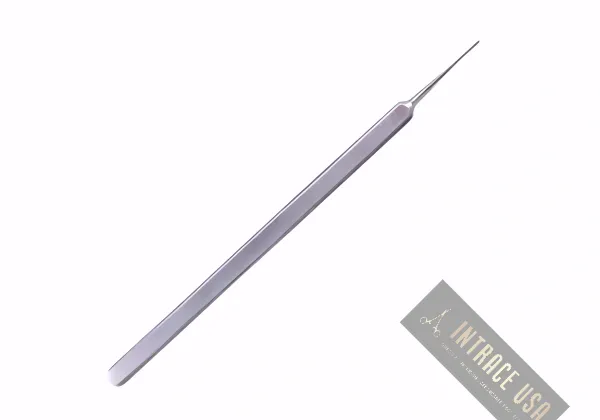
Davis Foreign Body Instrument
Satellite clinics and outreach teams need tools that pack small and work well. The Davis foreign body instrument fits that brief. It lifts small particles from the cornea or conjunctiva, and it takes little room in a travel case.
A Smart Pick for Outreach Kits
Outreach work means limited space and limited spares. So each tool should earn its place. This pattern covers the most common surface particles. Meanwhile, its slim form slides into a pouch or a small tray.
Packing and Transport
- Use a tip guard every time you pack it.
- Keep it in its own sleeve, apart from heavy clamps.
- Carry two so one can be in reprocessing.
- Log each sterilization cycle if you share kits.
Where Davis Fits Among Siblings
There is only one form here. If you want a broader spud, look at Dix. If you want a fine point instead, a needle-style pattern may suit you better. In practice, many kits hold one of each.
Cleaning on the Road
Off-site work makes prompt cleaning harder. Even so, rinse the tip soon after each case and keep it moist until full cleaning. Then process it as soon as you return. That habit protects both the point and the next patient.
Spare Tools Save Visits
A missing tool can mean a wasted outreach day. For that reason, carry at least one spare of each key pattern. The Davis is light, so a second one adds almost no weight. It also covers you if one gets dropped on site.
Cover and Where to Look Next
Our team sends it out non-sterile, and with correct cleaning and sterilization you can put it back to work. Should it fail from a flaw, Davis cover runs three years against manufacturing defects in the Davis line. We use stainless steel chosen with ASTM F899 in mind. Look through the ophthalmic tools page or the Francis foreign body pattern. The FAQ list explains orders.
Professional use only. Find reprocessing advice and dispatch times on our site.



Reviews
There are no reviews yet.