




Description
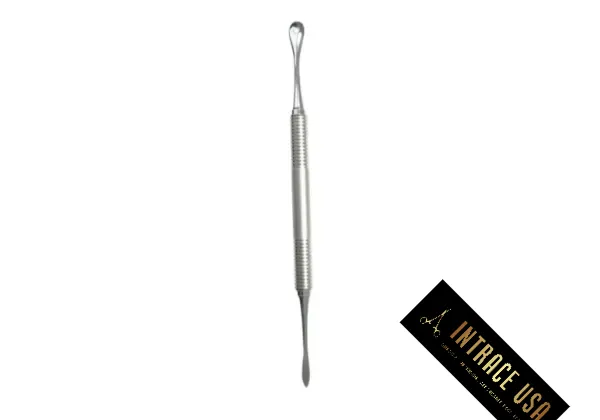
Cottle Septum Periosteal Elevator
Maurice Cottle built much of modern septoplasty, and the Cottle septum elevator remains one of his best-known tools. Surgeons use it to lift the lining off septal cartilage and bone.
Four options
We offer two lengths, 160 mm and 190 mm. Each length comes double ended or single ended. So you can choose from four versions in total.
Double or single ended
A double ended elevator gives two working ends on one instrument. Therefore the surgeon can flip it rather than reach for a second tool. In contrast, a single ended version offers a plain handle at the other end.
Choosing a length
The 160 mm version suits the front and middle septum. Meanwhile, the 190 mm version reaches further back. Many surgeons keep one of each for different stages.
Its place in septoplasty
After the first incision, the surgeon raises flaps on one or both sides. Then the framework lies open for correction. Finally, the flaps return to cover the repaired septum.
Caring for your Cottle septum elevator
Clean both ends carefully if you choose the double ended version. Rinse and dry the whole instrument. Then sterilize it with the rest of your septal set.
Cottle septum elevator specifications
- Lengths: 160 mm or 190 mm
- Working ends: double ended or single ended
- Stainless steel
Ordering one of four versions
All four length and end combinations carry our three-year warranty for workmanship defects. Then someone in Atlanta inspects each 160 or 190 mm elevator by hand before it goes out. Visit our help page of FAQs for common questions. Septal elevator steels, like other surgical instrument steels, follow the ASTM F899 standard. For bone work later, the Cottle nasal osteotome fits the same set. Then browse our range for ENT surgery.
Available to medical professionals. Read the care guide for steel instruments to learn why elevator photos can vary and why nickel shows up in stainless steel. Exchanges follow our returns and exchanges page.

Reviews
There are no reviews yet.