




Description
Cottle Chisel
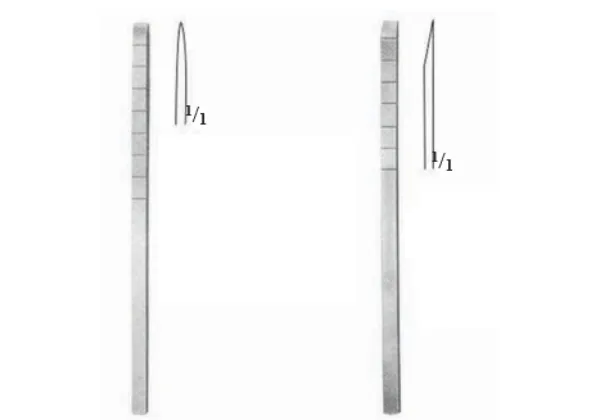
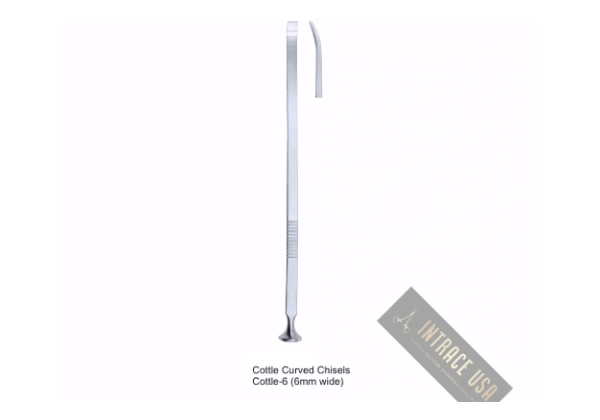
Named after septal surgery pioneer Maurice Cottle, the Cottle chisel suits bone work inside the nose. It comes straight or curved, in six blade sizes altogether.
Straight widths
The straight version comes in 4, 7, 9 and 12 mm. This spread runs from delicate to fairly wide. So a surgeon can shave a small spur or remove a wider strip of bone.
Curved widths
The curved version comes in 4 mm and 6 mm. A curve helps the edge follow the shape of the septum or nasal floor. It also lets the surgeon approach from an angle when a straight blade would not fit.
Where surgeons use it
During septoplasty, a chisel can free bony parts of a deviated septum. For instance, the surgeon may separate a spur from the maxillary crest. Then forceps remove the freed bone.
Choosing among six options
Firstly, pick straight or curved based on the steps you do most. Next, choose widths that fill gaps in your tray. Many teams keep a narrow and a medium straight blade plus one curved blade.
Caring for your Cottle chisel
Wash off blood and bone promptly, especially along the edge. Then clean by hand and dry thoroughly. Also store the chisel so its edge touches nothing else.
Cottle chisel specifications
- Straight: 4, 7, 9 or 12 mm
- Curved: 4 or 6 mm
- Six options in total, stainless steel
Ordering and warranty cover for six versions
We provide a three-year warranty on all six straight and curved versions for any workmanship defect. In addition, a colleague in Atlanta checks each 4 to 12 mm blade by hand before we ship. For common questions, go to our FAQs online. Steel grades for septal chisels and similar instruments appear in ASTM F899. For elevating septal lining first, consider the Cottle septum elevator. Then explore our ENT surgery section.
Six-version septal chisels serve professionals. Our care article on sterilization covers how chisel images may vary and the nickel that the alloy holds. Our delivery times page shows shipping speeds.

Reviews
There are no reviews yet.