




Description
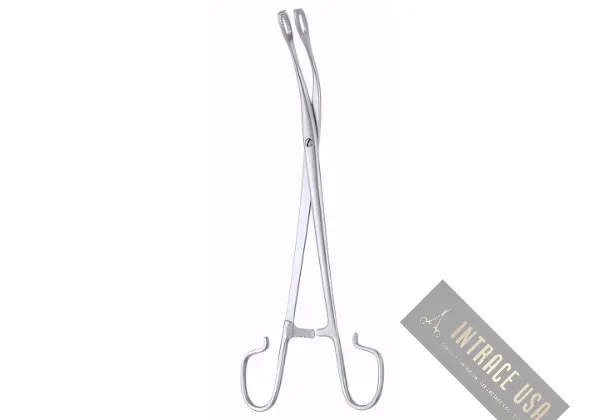
Blohmke Tonsil Seizing Forceps
Blohmke tonsil seizing forceps take a firm hold on the tonsil during tonsillectomy. The surgeon pulls gently on them, which exposes the tissue plane around the tonsil capsule.
Why seize the tonsil
A tonsil sits snugly in its fossa. Therefore, it needs lifting away before the surgeon can dissect it cleanly. These forceps provide that lift and keep it steady throughout.
Shape and length
We list the Blohmke pattern at 20 cm with a curved shape. That curve angles the jaws toward the tonsil. Meanwhile, the 20 cm length keeps the rings well outside the mouth.
A typical sequence
First, the gag holds the mouth open. Then the Blohmke tonsil seizing forceps grasp the tonsil, and a dissector or knife begins at the upper pole. Finally, a snare can complete the removal.
Comparing seizing forceps
The Museux pattern shares the same length and curve. In contrast, the Colver pattern is straight and shorter. So your choice may come down to the grip your surgeons prefer.
Caring for your Blohmke forceps
Clear tissue from the jaws once the case ends. Next, spread the Blohmke rings and clean the hinge with a small brush. Finally, dry them thoroughly and send them for sterilization.
Blohmke forceps specifications
- Tonsil seizing forceps, Blohmke pattern
- 20 cm, curved
- Stainless steel
Ordering Blohmke forceps
Blohmke seizing forceps include our three-year warranty; it applies to workmanship defects. Also, before dispatch, an Atlanta colleague checks each pair by hand. Consult our FAQ for new customers for ordering tips. For Blohmke steel, ASTM F899 is our reference. To finish the lower pole, see the Tyding tonsil snare. The wider range of ENT surgical tools is online too.
For professional users of the Blohmke pattern. The care and sterilization instructions page covers forceps photos and nickel in stainless steel; the returns procedure explains exchanges.

Reviews
There are no reviews yet.