





Description
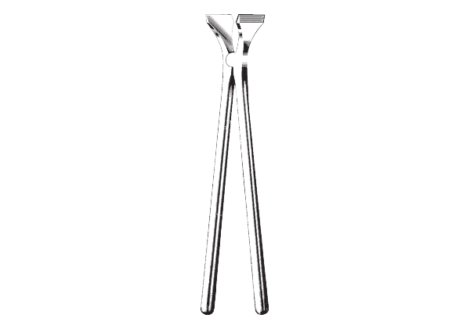
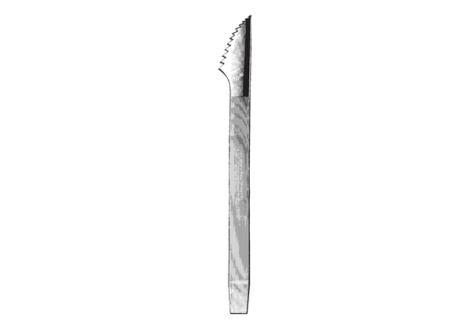
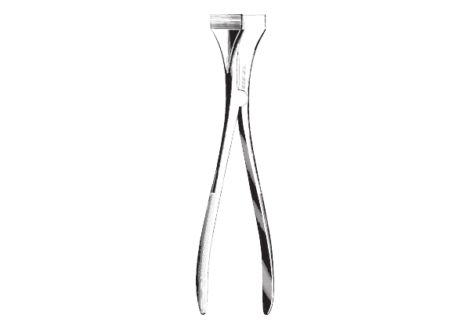
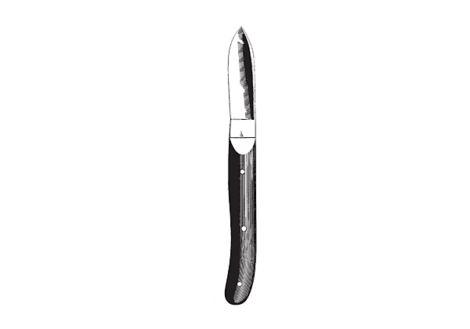
Bending Iron For Wire Drills
The wire bending iron bends wire drills, such as Kirschner wires, to the shape needed. It gives leverage that fingers alone cannot.
Why bend wires
Wires sometimes need a hook or angle to hold well. For example, a bent end prevents a wire from migrating. Therefore a bending iron is useful on wire trays.
How it works
The iron grips the wire in a slot or hole. Then the surgeon levers it to form the bend. As a result, the bend forms exactly where needed.
Who uses a wire bending iron
Trauma, hand and foot surgeons use it with Kirschner wires. Also, tension band wiring uses bent wires. It suits pediatric fixation too.
Technique
Hold the wire near the bend point and lever smoothly. Then check the bend angle. Avoid repeated bending at one spot.
Pairing
Often two irons or an iron and pliers work together. Consequently, the bend stays controlled. In addition, many sets carry both.
Wire bending iron details
- For wire drills and Kirschner wires
- Gives leverage for bending
- Wire fixation tool
- Ships non-sterile
Care
Clean the slots and holes carefully. Dry fully. Check for wear that could let wires slip.
Getting this bending iron
Any bending iron goes through a final review at our Atlanta base before it ships. Customers receive three years against manufacturing defects covering each bending iron on every unit. Compare it with our wire tightener. A second bending iron on standby covers reprocessing gaps. See the entire orthopedic section for the rest of the set. The help page deals with shipping and refunds. For more on medical stainless steel, go to ASTM F899. We gladly quote multiples for your facility.
Sold to medical professionals. Refunds live on our refunds page. The images here may differ slightly, while stainless steel contains nickel; consult the reprocessing guide to learn more.
Reviews
There are no reviews yet.