





Description
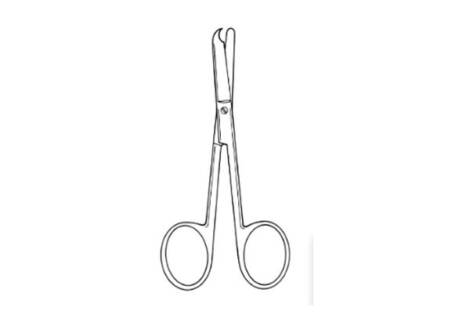
Bandage & Clothing Scissors Saw Edge
The saw edge bandage scissors have a serrated blade that grips slippery material. Bandage, gauze and synthetic clothing stay put between the blades instead of sliding away.
Why a saw edge
Smooth blades can push slippery fabric ahead of the cut. By contrast, fine serrations hold the material, so each stroke cuts cleanly.
Size of the saw edge bandage scissors
At 18 cm, the scissors give a good lever on thick layers. Meanwhile, they remain light enough for daily ward use.
Typical uses
Emergency and ward staff cut clothing, bandages and dressings with them. In addition, they cut tape and elastic bandages that tend to slip.
Using them safely
Slide the lower blade under the material along the skin. Then cut in steady strokes, lifting slightly as you go.
Saw edge or smooth
Smooth blades give a cleaner edge on paper and gauze. On the other hand, a saw edge handles stretchy and synthetic fabrics better.
Durability
Serrated edges stay effective for a long time. As a result, the scissors keep cutting well between services.
Saw edge bandage scissors details
- 18 cm overall
- Serrated cutting edge
- Blunt lower tip
Saw edge care
Brush along the serrations to clear fibres. Wash, dry and sterilise.
Getting the right scissors
A staff member in Atlanta studies the scissors under good light before shipment. The saw edge scissors carry three years against manufacturing defects. A second scissors on the shelf keeps lists moving. For order basics, browse the FAQ list. View our whole general surgery department for extra options. For a similar job, try our Lister-Excentric saw edge pattern. FDA listings include ASTM F899 under stainless steel in surgical tools.
Only for qualified users. The images here show a typical piece, and nickel is part of the alloy; use the reprocessing guide for the full note. Return rules follow the returns terms.



Reviews
There are no reviews yet.