




Description
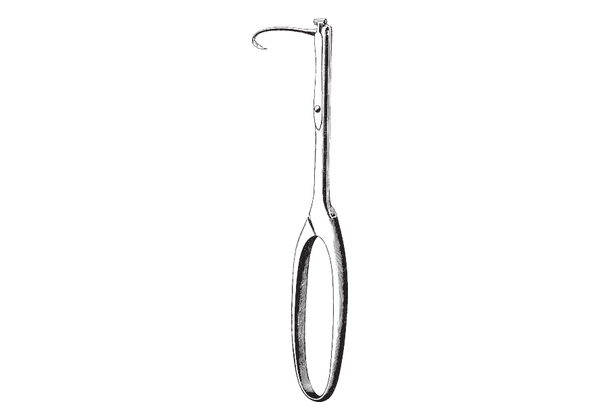
Young Ligature Needle
The Young ligature needle passes ligatures in deep urological and pelvic fields. Three figures offer different curves for different spaces.
Curve options
Each of the three figures has its own bend. As a result, you can match the needle to the space around the vessel.
Why the Young ligature needle
Deep pelvic spaces are narrow and curved. Therefore, a needle with the right bend reaches around structures there.
Typical uses
Urological and pelvic surgeons use it. For example, it helps ligate vessels during prostate and bladder surgery.
Technique
Pass the tip around the vessel, then thread the eye and withdraw. Finally, knot the thread firmly.
Pairing
In addition, the Young ligature instrument offers a related tool for the same field. Consequently, many urology trays carry both.
Young ligature needle figures compared
Figure 1 has the gentlest bend and suits open spaces. In contrast, figures 2 and 3 curve more sharply and reach behind structures that sit close to the pelvic wall.
Thread and tying
Most surgeons load a braided ligature, which holds its knot well in deep spaces. After the pass, a knot tier helps push each throw down to the vessel.
Young ligature needle options
- Figures 1, 2 and 3
- Curved shaft
- Eye at the tip
Care
Clean each figure and its eye. Afterwards, dry and sterilise them.
Buying this needle
Each needle has a close examination at our Atlanta site before dispatch. Every Young figure has three years against manufacturing defects. For a companion tool, add the Young ligature instrument. For details on instrument alloys, see ASTM F899. See the full general surgery line for more. Our buyer FAQ handles delivery and returns.
Sold to medical professionals. The care page discusses photo differences plus nickel in the steel. Refund rules are on the refunds page.


Reviews
There are no reviews yet.