




Description
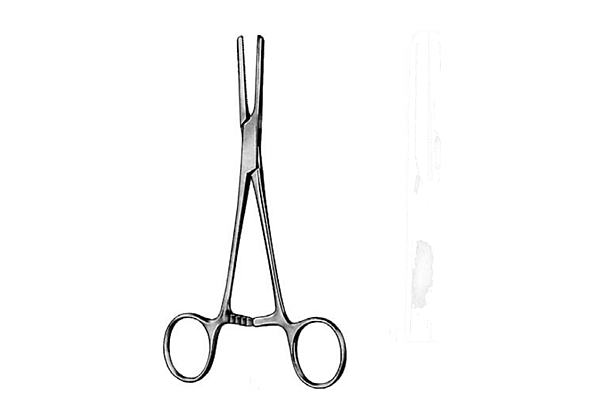
Standard Tubing Clamp
The standard tubing clamp closes drains, catheters and flexible tubing. Three lengths and an optional safety guard cover most ward and theatre needs.
Three lengths
We offer 15, 18 and 20 cm. Short clamps suit small-bore tubing. Meanwhile, the longer clamps give more leverage on thick or stiff tubes.
Safety guard option
The guard stops the clamp from opening by accident if it is knocked. Therefore, it suits lines that must stay closed, for example during patient transfers.
Typical uses of the standard tubing clamp
Teams use it on chest drains, urinary catheters and infusion lines. It also helps during tube and bag changes.
Closing a line
Lay the jaws across the tube squarely, then close until the flow stops. Before walking away, check the tubing for leaks on both sides of the clamp.
Keeping records
Note the time whenever a tube is clamped. Then release it promptly when the reason for clamping has passed.
Choosing guard or no guard
Lines that need frequent opening suit the plain clamp. By contrast, lines that should stay shut suit the guarded version.
Standard tubing clamp options
- 15, 18 or 20 cm
- With or without safety guard
- Smooth jaws
Tubing clamp care
Clean the jaws and the guard mechanism. Dry fully, then sterilise.
Cover in brief
Every standard tubing clamp carries three years against manufacturing defects. An Atlanta colleague looks over every clamp by hand before the courier comes. Explore our broad general surgical tools list too. Our questions page deals with returns and delivery. To learn about medical stainless steel, consult ASTM F899. A close relative is our Presbyterian clamp. We gladly confirm details for new trays.
For trained clinical staff only. Returns live on the refund policy. Our care and cleaning page outlines why photos vary and nickel content.


Reviews
There are no reviews yet.