




Description
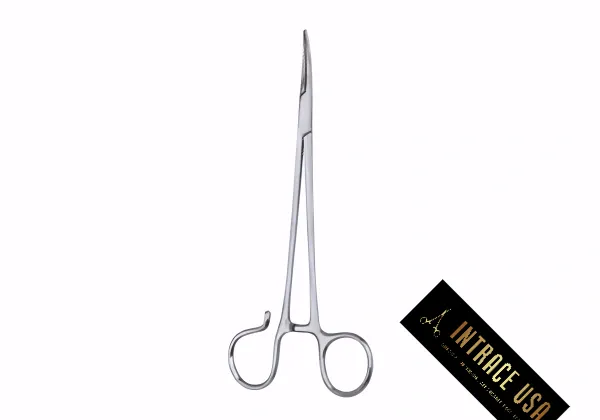
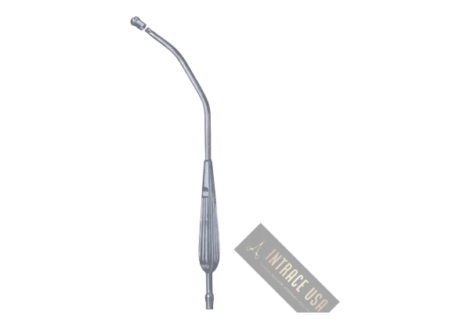
Schnidt-Sawtell Tonsil Hemostatic Forceps
Schnidt-Sawtell tonsil forceps are hemostatic forceps for tonsillectomy. ENT surgeons clamp vessels in the tonsil fossa with them and also grasp tissue as they dissect.
A tonsil clamp
The Schnidt name has long been associated with tonsil clamps. This combined pattern follows that tradition. So it gives the surgeon a clamp that reaches into the throat while the hand stays outside the mouth.
Dimensions on request
Our listing gives no length for this clamp. Therefore, ask us for exact dimensions before ordering. We will confirm them rather than guess.
During tonsillectomy
After the surgeon removes the tonsil, small vessels may bleed in the fossa. Then the forceps clamp each bleeding point. The surgeon controls it by tying, cautery or another method.
Choosing a tonsil clamp
Different surgeons prefer different clamp patterns. For instance, some like a longer shaft, while others prefer a lighter feel. If you are comparing patterns, we can send details on the tonsil clamps we carry.
Caring for your Schnidt-Sawtell tonsil forceps
After surgery, flush the clamp promptly so blood cannot set in the box joint. Also brush the jaw faces carefully. Then dry the forceps and sterilize them unlocked.
Schnidt-Sawtell tonsil forceps specifications
- Hemostatic clamp for the tonsil bed
- No size data listed; contact us for dimensions
- Stainless steel
Order support
Workmanship defects on this Schnidt-Sawtell clamp fall under our three-year warranty. Also, we inspect each clamp by hand in Atlanta before it ships. Look at our FAQ section for answers on buying and returns. We use ASTM F899 as our guide for surgical steel. If you want a clamp in two lengths, see the Bainbridge tonsil forceps. The wider ENT instrument category holds more tonsil tools.
Professional use only for this clamp. Our care page covers tonsil clamp photos and why stainless steel includes some nickel. The returns and refunds page sets out return terms.
Reviews
There are no reviews yet.