




Description
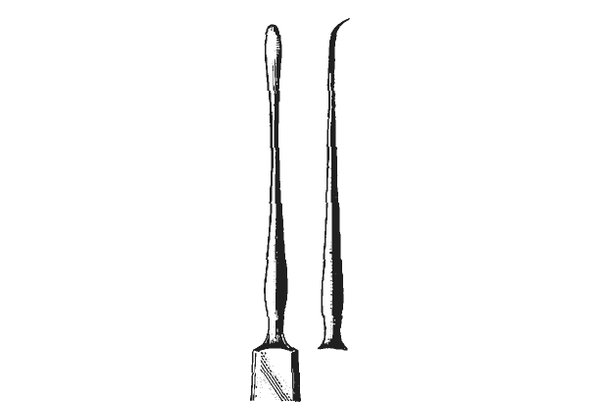
Plange Foreign Body Instrument
If you run a compact exam tray, the Plange foreign body instrument is a tidy addition. It takes care of small particles on the cornea, lids and conjunctiva. Its slim build means it fits beside forceps and swabs without clutter.
Planning a Compact Eye Tray
A good eye tray holds only what you need. Usually that means a lid speculum, swabs, a fine forceps and one or two particle tools. This pattern fills one of those slots. Then you can add a second shape for the cases it does not suit.
Reaching Under the Lid
Some specks hide under the upper lid. First, evert the lid with a swab or a retractor. Next, sweep the speck free with a light touch. Moreover, check the fornix, since a second particle may sit there too.
Picking This Pattern
- No variants exist on this page, so the order is simple.
- Use the photos to judge the profile of the working end.
- Choose it for a light, slim feel.
- Combine it with a broader spud for flat flakes.
Reprocessing Tips
Point-first damage is the main risk for a tool like this. So handle it by the shaft, not the tip. Clean it promptly, dry it well and steam it in a tray with slots. Finally, retire it if the point no longer looks crisp under a loupe.
When to Refer Instead
Some particles sit too deep for a clinic tool. If a speck seems to pass through the full thickness, stop and refer. Likewise, refer if the eye looks inflamed or the pupil looks odd. A hand tool is for the surface only.
Cover and Shopping Links
Delivery is non-sterile, and the piece can see repeat service after cleaning and sterilization. We guarantee it for three years against manufacturing defects on Plange stock, though normal wear is not a defect. Its stainless steel follows the ASTM F899 standard. Take a look at the rest of our ophthalmology range or the Ellis foreign body tool. Our help center answers more.
For licensed professional use. Visit our care page and our shipping page for details.

Reviews
There are no reviews yet.