





Description
Negus Gall Duct Forceps
The Negus gall duct forceps dissect and clamp around the cystic and common bile ducts. Their curved jaws reach behind a duct, which helps the surgeon free it and pass a ligature.
Two figures
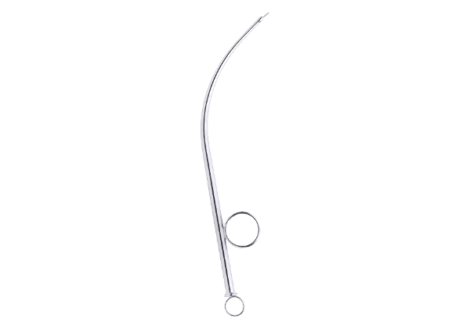
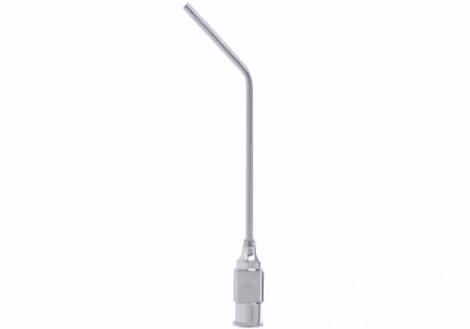
Figure 1 and figure 2 differ in curve and jaw length. As a result, you can match the forceps to the depth and angle of the duct.
Why curved jaws
Ducts lie behind other structures and run at angles. Therefore, a curve lets the tips pass around a duct without levering on it.
Typical uses of the Negus gall duct forceps
Surgeons use them during cholecystectomy to free the cystic duct and artery. They also help during common bile duct exploration.
Passing a ligature
After freeing the duct, open the jaws behind it and take a ligature into them. Then draw the forceps back to bring the thread around.
On the biliary tray
Stone forceps, scoops and probes deal with stones. Meanwhile, the Negus handles dissection and ligation around the ducts.
Choosing a figure
Figure 1 suits shallow ducts, while figure 2 suits deeper ones. Furthermore, many surgeons keep both.
Negus gall duct forceps options
- Figure 1 or figure 2
- Curved jaws
- Ring handles with ratchet
Negus care
Brush the curved jaws and the joint. Rinse, dry and sterilise.
Cover at a glance
Both Negus figures carry three years against manufacturing defects. Our Atlanta crew inspects each Negus forceps by eye before it ships. The common questions page addresses common order questions. For more on instrument steels, see ASTM F899. Scan our whole general surgical instruments to finish the tray. Need a formal quote? Get in touch and we will reply. To complete the set, check the Gray gall duct forceps.
Professional use only. Exchange terms sit on the returns page. Our cleaning guide discusses photo differences along with the alloy’s nickel.


Reviews
There are no reviews yet.