




Description
Metzenbaum-Nelson Dissecting Scissors
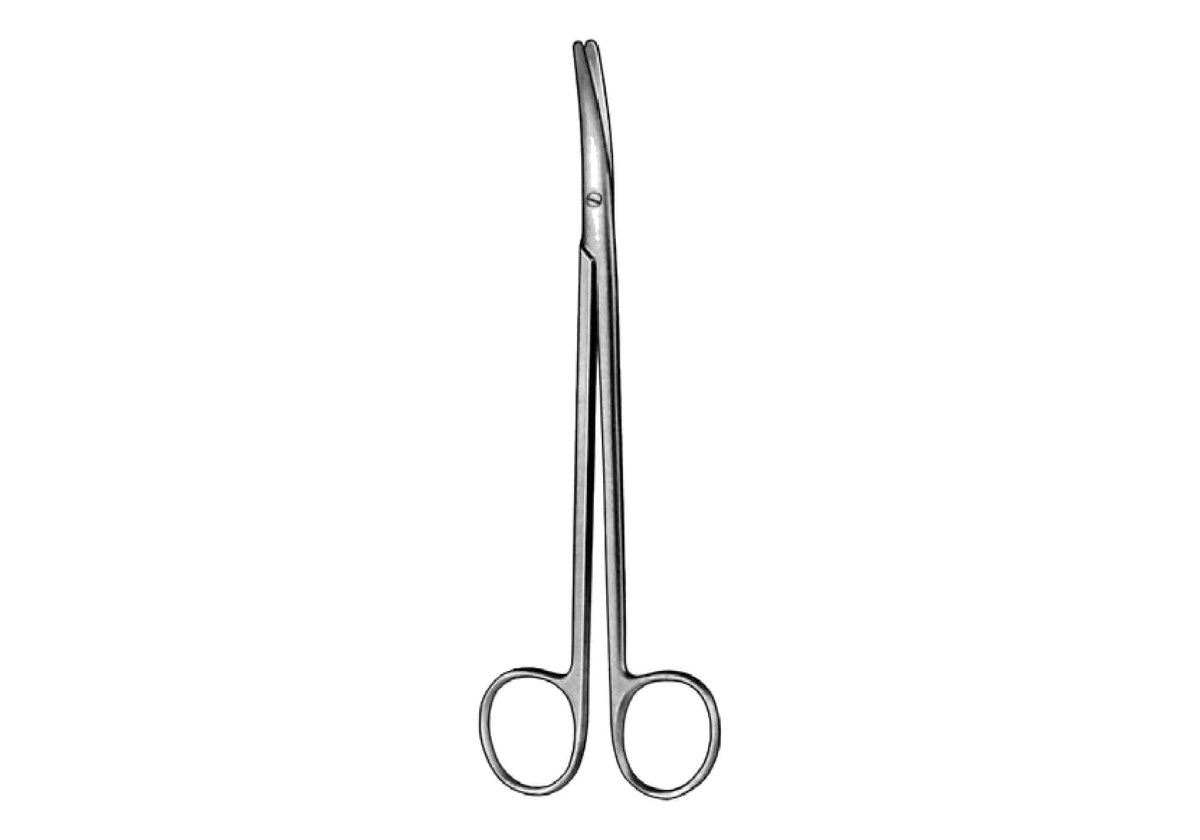
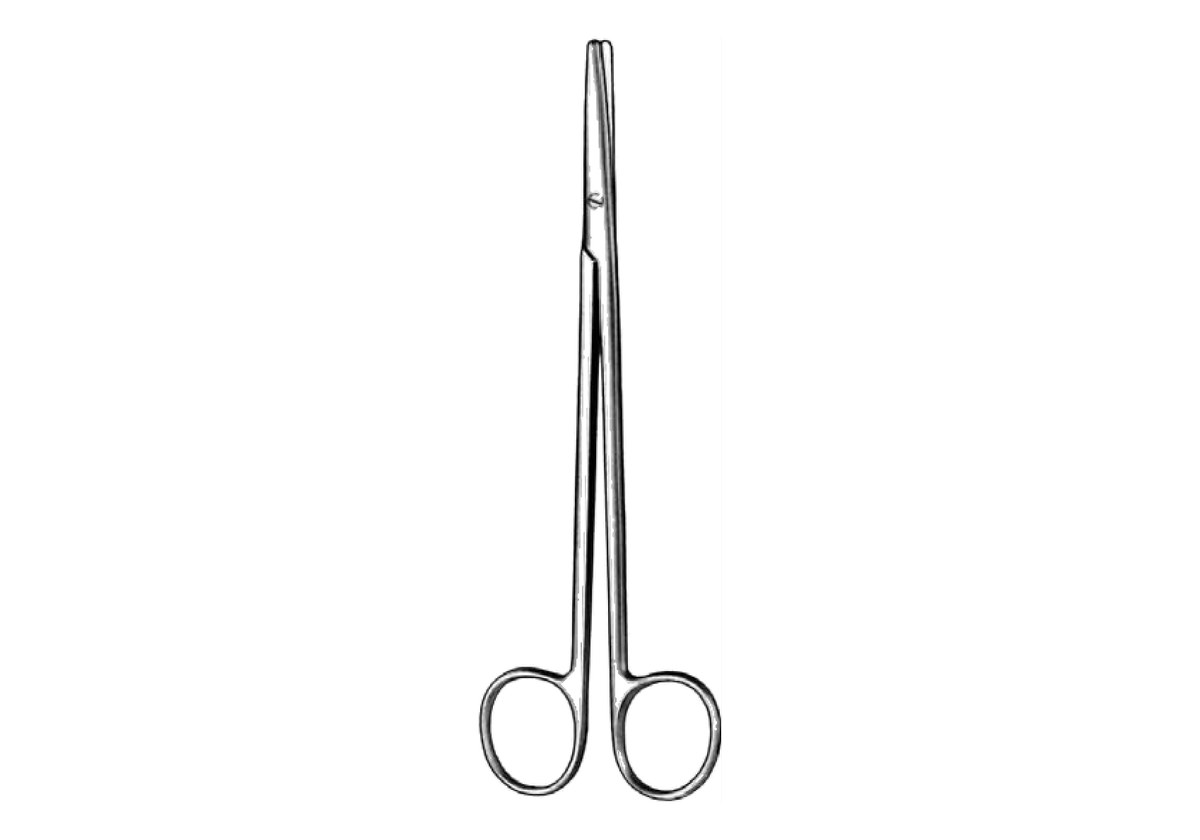
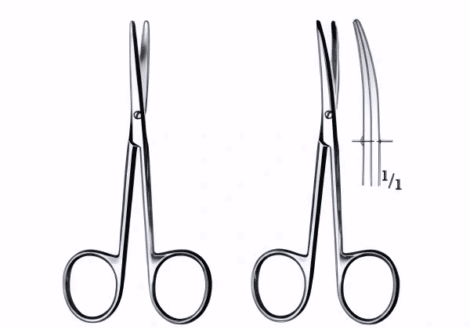
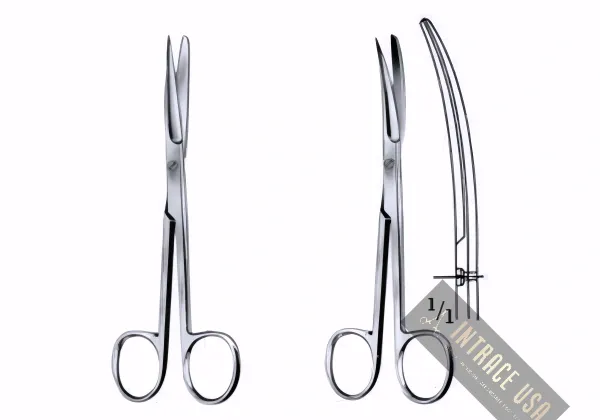
Metzenbaum-Nelson scissors are long, slender dissecting scissors built for work at depth. They keep the light Metzenbaum blade but carry it on extended shanks. As a result, the cut happens deep in the chest, abdomen or pelvis while your hand stays clear of the incision.
Why the extra reach matters
A standard Metzenbaum runs out of length once the field drops below the wound edge. Here, the shanks stay narrow all the way down, so the scissors do not crowd the view. Meanwhile, the short blades give fine control at the tip. Surgeons use them for thoracic, abdominal and gynecologic dissection, and for cutting tissue that a shorter pattern cannot reach.
Choosing a blade shape
Curved blades follow tissue planes and let you see the tips around a structure. In contrast, straight blades suit cutting in line with the shanks. You can also pick the tip style. Blunt/blunt points spread tissue safely. Sharp/blunt pairs one fine point with one guarded point. Finally, sharp/sharp gives the cleanest start to a cut.
Six lengths from 18 to 30 cm
The 18 and 20 cm sizes handle moderate depth. For deeper fields, the 23 and 25 cm sizes are the usual choice. The 28 and 30 cm sizes are for the deepest pelvic and thoracic work.
Caring for Metzenbaum-Nelson scissors
Rinse the blades soon after use so that blood does not dry in the joint. Next, clean the box lock with a soft brush and open the rings before sterilizing. Dry the scissors fully, then store them open in a rack. Above all, do not use them on suture or wire, because that dulls the fine edge.
Metzenbaum-Nelson scissors specifications
- Lengths: 18, 20, 23, 25, 28 and 30 cm
- Blade shape: straight or curved
- Tip options: blunt/blunt, sharp/blunt and sharp/sharp
- Material: surgical stainless steel, reusable
After your order
Each pair is warranted for three years against manufacturing defects. Our Atlanta team also hand-checks every instrument before it ships. Sterilization questions are answered in our FAQs. The ASTM F899 standard covers surgical instrument steels. For a finer, shorter pattern, see our Metzenbaum-Fine dissecting scissors. Or browse every pattern in operating and micro scissors.
For professional use. Reprocessing steps are in our care and sterilization guide, and our returns and refunds policy explains what happens if a pair is not right.
Reviews
There are no reviews yet.