





Description
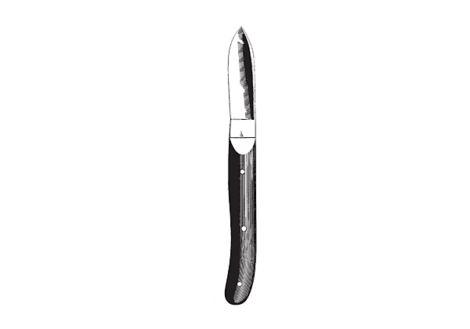
Kuentscher Bone Awl
The Kuentscher bone awl opens the entry point to the medullary canal before intramedullary nailing. Its pointed, fluted tip cuts through the cortex at the start of the procedure.
A nailing pioneer
Gerhard Kuentscher introduced intramedullary nailing of long bones. Many nailing tools still carry the name. Moreover, this awl opens the way for the nail.
Three sizes
Choose 8, 10 or 12 mm. Smaller awls suit narrow canals. Meanwhile, the 12 mm awl suits larger bones.
Who uses the Kuentscher bone awl
Trauma surgeons use it in femoral and tibial nailing. It also helps open the canal for other intramedullary devices. Nailing trays carry it as standard.
Finding the entry point
The entry point decides the path of the nail. Therefore place the awl carefully under imaging. Then rotate it to open the cortex.
Steady technique
Use a twisting motion rather than hammering. Consequently, the awl cuts a clean hole. Check direction often.
After the awl
Once the canal is open, a guide rod usually follows the awl into the bone. Next, flexible reamers widen the canal to the planned nail size. Therefore a clean, well-placed entry hole makes every later step easier.
Kuentscher bone awl sizes
- 8 mm
- 10 mm
- 12 mm
- Supplied non-sterile
Care
Brush bone from the cutting tip. Dry fully. Check the point for dulling.
Purchase info
This awl brings our pledge for three years against manufacturing defects by default. Any awl receives a careful examination at our Atlanta base before it leaves. The FDA lists ASTM F899 under instrument alloys. Compare it with the Kuentscher extraction hook. Our customer FAQ handles returns and delivery. Extra patterns sit in our orthopedic range. Smaller units order a backup awl to avoid delays. Want a formal quote? Ask us.
For trained clinical staff only. Our care and sterilization guide explains differences in pictures together with nickel content. Exchanges sit on our refund terms.

Reviews
There are no reviews yet.