





Description
Kelman-McPherson Tying Forceps
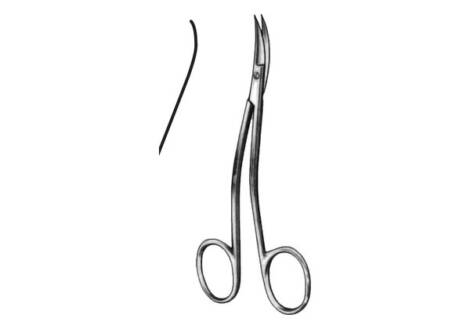
The Kelman-McPherson tying forceps pairs an angled shaft with short 7.5mm tips. That short reach keeps fine suture under tight control. You can also choose between standard steel and titanium.
Why the short 7.5mm tips matter
Short tips flex less than long ones. So the force you put into the handle goes straight to the thread. This suits small wounds, where there is little room to move. Meanwhile, the angle lets you approach from the side and keep a clear view.
Where it fits in cataract work
Cataract surgeons often keep this pattern on the tray for wound closure. It can tie fine nylon at the end of the case. Some surgeons also use it to steady or guide fine material near the incision. Even so, treat the tips with care, since they are thin.
Picking the right metal
The tip form stays the same in both metals. Instead, the choice comes down to weight and feel.
- Standard stainless steel feels solid and steady.
- Titanium weighs less, which helps on long lists.
- Titanium also resists magnetism, if that matters to your theatre.
Habits that protect the tips
Never clamp a needle with these forceps. Next, keep the tips closed in a guarded slot when you store them. Before each case, check that the tips meet along their whole length. If you see a gap, stop using the pair and send it for review.
Order details and support
This Kelman-McPherson pattern arrives unsterile, ready for your own reprocessing, and then you can use it over many lists. Kelman-McPherson buyers are covered for three years against manufacturing defects per pair. The stainless version follows ASTM F899. If you prefer a straight option, the McPherson tying forceps offers one. Explore our eye surgery instruments or visit the help page.
Sold to professionals only. Please review our sterilization advice and dispatch and delivery pages for this pair.

Reviews
There are no reviews yet.