





Description
Halle Septum Elevator
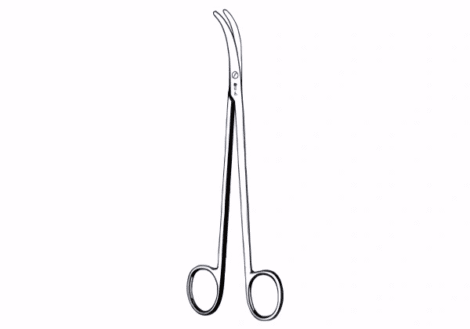
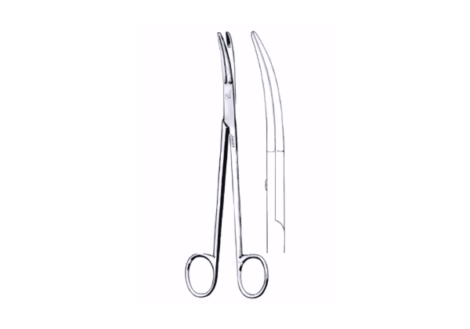
Compact and curved, the Halle septum elevator raises septal mucosa off the cartilage and bone below. Surgeons use it in septoplasty and in submucous septal work.
Short and curved
At 15 cm, this elevator is short compared with many septal tools. So it gives close control near the front of the nose. The curve then helps the tip follow the septal surface.
Where a short tool shines
The first part of a septal flap often needs the most care. For instance, the lining can tear easily near the incision. A short, curved elevator lets the surgeon move slowly and precisely there.
Working with longer elevators
Once the flap is started, the surgeon may switch to a longer tool. Meanwhile, this elevator stays ready for the front section and for closing adjustments. As a result, it complements rather than replaces long elevators.
Choosing for your set
If your set holds only long elevators, add this one for fine work. Also consider a matching straight elevator for surgeons who prefer that shape. We can send photos of both.
Caring for your Halle septum elevator
Rinse it straight after surgery so nothing dries on the tip. Then clean the curve with a soft brush. Finally, dry and sterilize it with the rest of the nasal tray.
Halle septum elevator specifications
- Shape: curved
- Overall length: 15 cm
- Stainless steel
About ordering the 15 cm curved elevator
This 15 cm curved elevator includes three-year warranty protection against workmanship defects. Before it leaves, we look over the short curve by hand at our Atlanta address. If a question comes up, try our FAQ resource page. For elevator steel, ASTM F899 is the standard to read. When you need a longer tool too, look at the Joseph-Masing elevator. Our ENT tools catalog has more.
Please use short elevators only in professional settings. The care and sterilization guide we publish discusses how elevator photos compare with real steel and why nickel is present, and the returns policy sets out return steps.
Reviews
There are no reviews yet.