
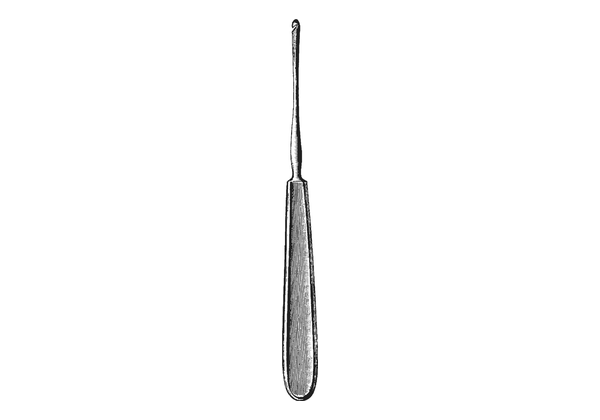




Description
Friedrich Loop Twister
The Friedrich loop twister tightens wire loops by twisting their ends together. Surgeons use it when a wire must hold bone or tissue firmly in place.
How a loop twister works
The jaws grip both wire ends at once. Then the surgeon turns the instrument, and the ends wind into a tight spiral. Also, that spiral locks the loop.
Size of the Friedrich loop twister
At 16 cm, it handles wires close to the surface. In addition, the hand can feel how tight the wire is getting.
Typical uses
Sternal wiring, small bone fixation and some tendon repairs use twisted wire. In addition, it helps secure wire sutures in older techniques.
Getting the tension right
Twist slowly and watch the wire as it tightens. If you twist too far, the wire can snap; if you stop too soon, the loop may loosen.
Finishing the twist
After tightening, cut the twisted end and bend it flat against the bone. Additionally, that keeps the sharp end away from soft tissue.
Friedrich loop twister details
- 16 cm overall
- Wire-gripping jaws
- Reusable steel
Clearing the jaws
Pick any wire fragments out of the jaws. Wash, dry and sterilise.
Ordering your twister
The Friedrich twister carries three years against manufacturing defects. Jaws and handles included. Before it leaves us, our Atlanta inspector views the twister unhurriedly. Companion options sit in the general surgical department. Surgeons often add the Wien loop twister. Smaller theaters order a second twister in case one is out for service. For more on instrument steels, read ASTM F899. The FAQ list deals with orders, shipping and returns.
Sold to medical professionals. Product images may show a sibling size. Also, nickel is part of the alloy; read our cleaning guide for the full note. Open the shipping terms for lead times.



Reviews
There are no reviews yet.