




Description
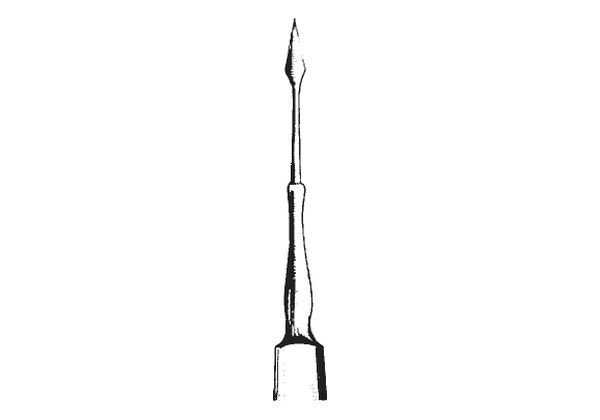
Bowman Foreign Body Instrument
The Bowman foreign body instrument honors one of the great names in eye anatomy. It comes with a curved or straight edge, so you can match it to your approach. Both forms lift small particles from the cornea and conjunctiva.
Curved or Straight Edge
- Curved edge: follows the dome of the eye a little better.
- Straight edge: gives a simple, direct line to the speck.
- Both suit routine surface particles.
- Many clinics keep one of each.
Matching the Edge to the Speck
Flat flakes on the central cornea often respond well to a straight approach. However, a speck near the limbus may be easier with a curve. So think about where your cases usually sit. Then choose the edge that keeps your hand out of view.
Steady Hands, Shallow Strokes
Brace your hand on the cheek or the lamp. Next, approach from the side and keep the edge almost flat to the surface. Lift rather than scrape. After removal, recheck the area with stain.
Cleaning the Edge
Edges hold debris along their length. Therefore, brush along the edge, not across it. Rinse well and dry the tool fully before steam. Also inspect the edge under a loupe for nicks.
A Name From Eye Anatomy
William Bowman described a layer of the cornea that still carries his name. He also gave his name to several fine eye tools. So this pattern sits in a long line of instruments built for careful surface work on the eye.
Our Promise, Steel Notes and Links
Both edges arrive non-sterile and are designed for reuse after cleaning and sterilization. The cover lasts three years against manufacturing defects on Bowman curved and straight alike, for either version. We buy stainless steel that suits ASTM F899. See the ophthalmic surgery category or compare the Schweiz Mod three-form pattern. You can also browse our customer FAQs.
Professional use only. Our care and sterilization advice and shipping and delivery notes help you plan.



Reviews
There are no reviews yet.