




Description
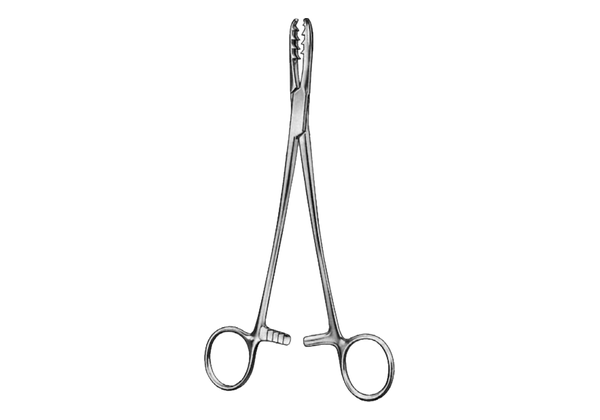
Bircher-Ganske Meniscus and Cartilage Forceps
Bircher-Ganske meniscus forceps grasp meniscus and cartilage during knee surgery. Three jaw shapes help you reach different parts of the joint.
Three jaw shapes
The straight version reaches directly ahead. Meanwhile, the curved version works around the femoral condyle. The sideways-angled version reaches the edges of the joint.
A knee surgery tool
Eugen Bircher was an early pioneer of knee arthroscopy. Instruments with the name suit work inside the knee. This forceps holds tissue while it is trimmed or removed.
Who uses Bircher-Ganske meniscus forceps
Knee surgeons use them during open meniscus procedures. Also, they help remove loose cartilage. Sports surgeons keep them on knee trays.
Choosing a version
For the anterior horn, the straight jaws often work best. In contrast, the posterior horn may need the curved or angled jaws. Therefore many trays hold all three.
Holding before cutting
Grasp the meniscus firmly before the knife cuts. Consequently, the tissue does not slip away during the cut. That gives a cleaner edge.
Bircher-Ganske meniscus forceps options
- Overall 20 cm
- Straight, for the anterior horn
- Curved, around the condyle
- Angled sideways, for the joint edges
Upkeep
Clean the jaws and joint soon after surgery. Dry thoroughly. Lubricate the joint and check the jaws meet.
Purchase support
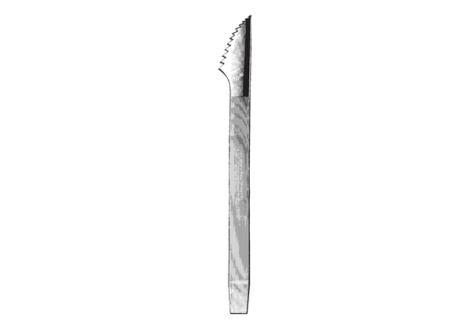
Purchasers get three years against manufacturing defects with the forceps from the day it arrives. Every forceps has a careful review at our Atlanta site ahead of shipping. The FDA lists ASTM F899 under steel in surgical instruments. Some teams add our Bircher meniscotomy knife. A second forceps in the sterile store avoids delays. The FAQ list covers returns and delivery. We are glad to suggest an option on request. Open the entire orthopedic section for similar items.
Professional use only. Delivery options appear on our shipping page. The reprocessing guide notes image variation along with nickel content.

Reviews
There are no reviews yet.