




Description
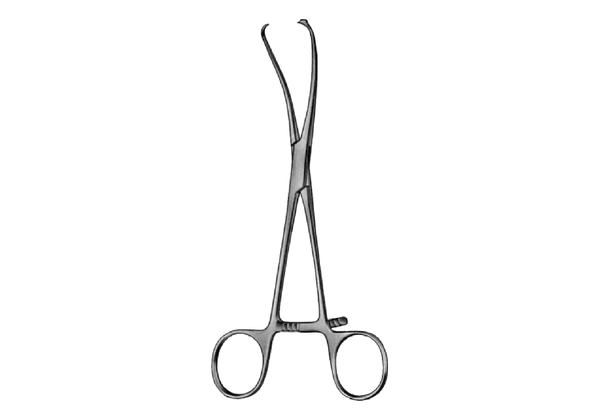
Meyer Reposition Forceps
Meyer reposition forceps help bring small fracture fragments back into position. They come in 1 mm and 2 mm versions.
Reduction forceps
Reduction forceps grip fragments at small points. Therefore they move pieces into line without crushing them. Also, that suits small and delicate fractures.
Two versions
The listed sizes are 1 mm and 2 mm. In addition, the finer version suits the smallest fragments. Meanwhile, the 2 mm version gives a little more grip.
Who uses Meyer reposition forceps
Hand, wrist and foot surgeons reduce small fractures with them. Also, facial surgeons may use them on thin bone. They suit pediatric fractures too.
Technique
Place the tips on solid bone on either side of the fracture. Then close gently to bring the pieces together. Hold while a wire or screw goes in.
Fine control
Small reduction forceps reward patience. Consequently, gradual closing gives better alignment than force. Check the result under imaging if available.
Meyer reposition forceps options
- 1 mm version
- 2 mm version
- Point-contact reduction tips
- Ships non-sterile
Fine tip care
Clean the fine tips gently with a soft brush. Dry the forceps. Lubricate the hinge and check that the tips meet.
How we stand behind each forceps
Each forceps receives a close look from Atlanta staff before dispatch. We guarantee each Meyer forceps for three years against manufacturing defects. Similar pieces are in the orthopedic listings. For answers on returns, open our buyer FAQ. For a similar job, consider the Reill reposition forceps. Steel for surgical tools follows a known standard: ASTM F899. A backup forceps on the shelf saves a cancelled case. We also answer questions within a day or so.
Only for qualified users. Pictures on this page are a guide only. Also, the alloy includes nickel; use our sterilization page. Refund rules are on the returns terms.

Reviews
There are no reviews yet.