
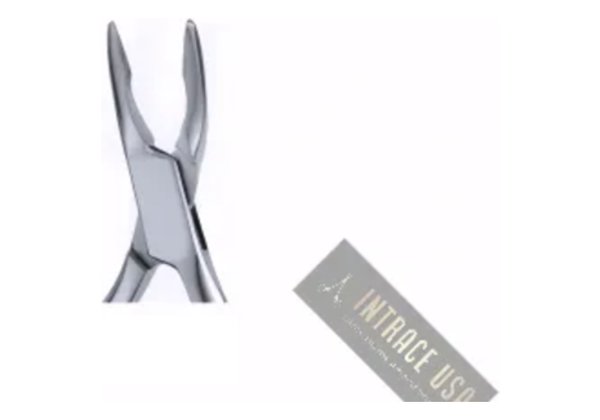




Description
Friedman Bone Rongeurs
A Friedman bone rongeur comes in two builds here, and the difference between them is not really length. The 14 cm is the standard jaw; the 14.5 cm is the thin one. Half a centimetre of body is neither here nor there, but the thickness of the working end changes where the instrument can go.
Standard or thin, and how to choose
Pick the standard jaw if the bone you are removing is reachable and you want fewer bites to do it. Pick the thin jaw if the gap you are working through is the constraint rather than the bone itself. In other words, choose on access first and on appetite second, because a jaw that will not fit removes nothing at all.
Why a thinner jaw is not simply a smaller one
A thin build takes less per bite, which is obvious, but it also behaves differently. Less metal at the tip means less stiffness, so the jaws flex slightly under load and the feedback through the handle is softer. Experienced hands read that as delicacy; it is also why a thin jaw should never be used to lever. Meanwhile the standard build is stiffer, blunter in feel, and far more forgiving of being asked to do something it was not designed for.
Both builds at a glance
- 14 cm, standard jaw — catalogue reference ANE-03-380
- 14.5 cm, thin jaw — catalogue reference ANE-03-381
- Angled working end, in the Friedman pattern
- Sprung handles, single action
- Same price either way, so the choice is clinical and not budgetary
- Inspected in Atlanta, Georgia before dispatch
Where the Friedman pattern fits
It sits between a rongeur and a tissue nipper, and it is catalogued with both. Oral surgeons use it for fine bone trimming around a socket and for nipping tags of tissue that a scissor would drag rather than cut. The wider family runs to 30 and 45 degree angles and a 90 degree micro version, so if neither of these two builds reaches your angle, the bone rongeur range almost certainly has one that does.
Handling and wear
Thin jaws punish misuse quickly, therefore keep this instrument for cutting and reach for an elevator when something needs prising. Check the tips meet cleanly along their whole length rather than just at the point, since a thin jaw that has sprung apart slightly will crush and tear instead of cutting. Clean before debris dries, oil the joint, autoclave, and store with the handles apart.
Three years against manufacturing defects.

Reviews
There are no reviews yet.