




Description
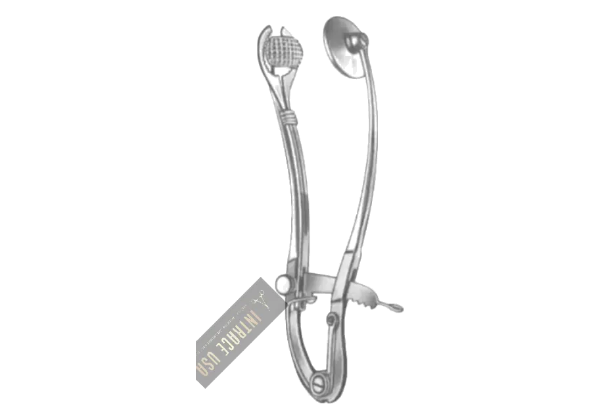
Corwin Tonsil Forceps
Corwin tonsil forceps are curved hemostats. Once the tonsil is out, the surgeon grips each bleeding point in the fossa with them.
A curved hemostat
The tonsil fossa lies behind the faucial pillars. So a curved jaw helps the tip reach bleeding points while the hand stays clear. The surgeon then ties or cauterizes the vessel.
15 cm overall
We stock the Corwin pattern at 15 cm, with a curved shape. That length suits the tonsil bed in many patients. Also, it fits neatly on a standard tonsil tray.
Its role in tonsillectomy
Bleeding control follows tonsil removal. For example, the surgeon may clamp one vessel with the Corwin tonsil forceps while an assistant ties it. Many trays hold two or more pairs for this reason.
Selecting tonsil hemostats
If you prefer a shorter hemostat, then the Corwin length suits you. However, other patterns such as the Negus offer a choice of curve. Our team can compare the two patterns for you.
Caring for your Corwin forceps
Flush blood from the jaws right after the case. Next, unlock the Corwin jaws and scrub around the box joint. Finally, dry the Corwin tonsil forceps completely and sterilize them.
Corwin forceps specifications
- Corwin-pattern hemostat for the tonsil bed
- Curved shape, 15 cm long
- Stainless steel
Ordering Corwin forceps
We supply Corwin forceps with a three-year warranty for any workmanship fault. Also, our Atlanta office inspects each curved pair by hand before shipping. Please see the FAQ site page for more. ASTM F899 is the standard behind our Corwin steel. For a choice of jaw curve, view the Negus tonsil forceps. Browse our ENT instrument catalog as well.
Corwin forceps are for professional use. See the care and sterilization resource page on curved hemostat photos and nickel in the alloy, along with our returns summary.

Reviews
There are no reviews yet.